FOOD
◆ Wakkanai ingredients that we love ◆
1/10
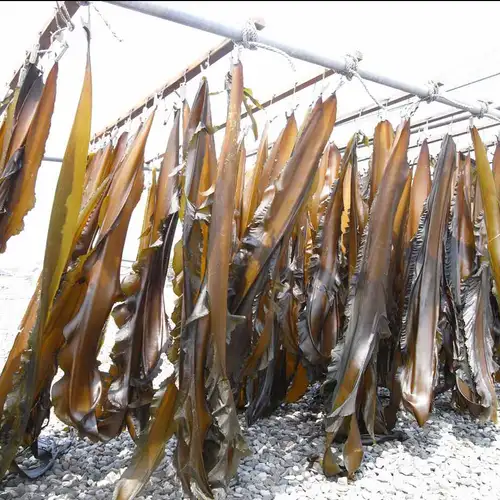
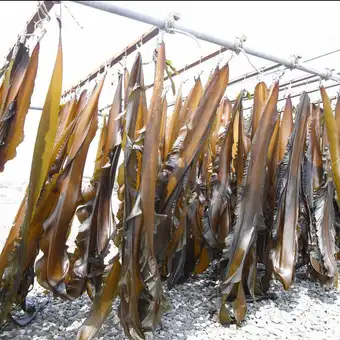
Rausu kelp (from Wakkanai, Rishiri, and Rumoi)
-
Rausu kelp, harvested in Rausu, Hokkaido, is renowned as the highest quality kelp.The sea north of the Shiretoko Peninsula is a place where mineral-rich river waters gather.Rausu kelp, grown with abundant blessings from nature, is a top-quality product that is soft despite its sufficient thickness and length, and allows you to fully enjoy its natural umami flavor.The broth made from Rausu kelp has a beautiful amber color with an elegant aroma, and its subtle sweetness and rich flavor make it a popular choice for high-end restaurants.
1/10
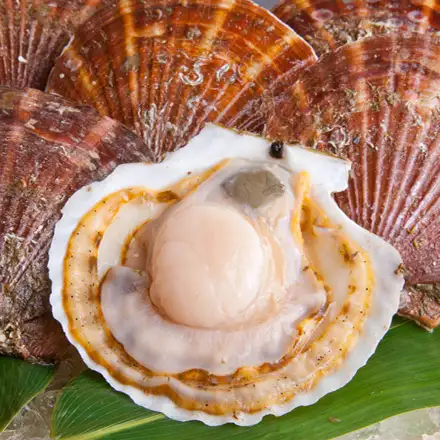
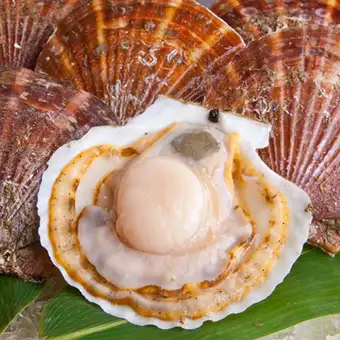
Scallops from Sarufutsu, Wakkanai, Rishiri, and Rumoi
-
The Sea of Okhotsk, where abundant nutrients flow in via ocean currents, is famous worldwide as a rich fishing ground.Sarufutsu Village in Hokkaido, located on the shore of that river, is famous as a major producer of scallops.Grown in the nutrient-rich waters of the Sea of Okhotsk, Sarufutsu scallops are often large and grow to a generous size, boasting thick, satisfying adductor muscles and a rich, natural sweetness.Scallops from Sarufutsu are said to have a particularly good flavor if they are raised for five years, and this dedication has led to them being called "natural five-year-old scallops."
1/10
Hanasaki Crab (Wakkanai, Rishiri, Rumoi)
-
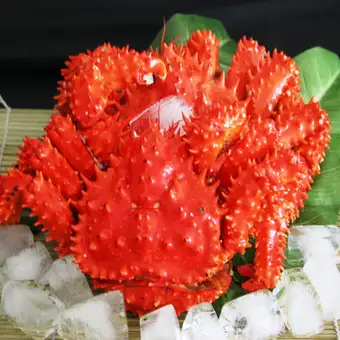
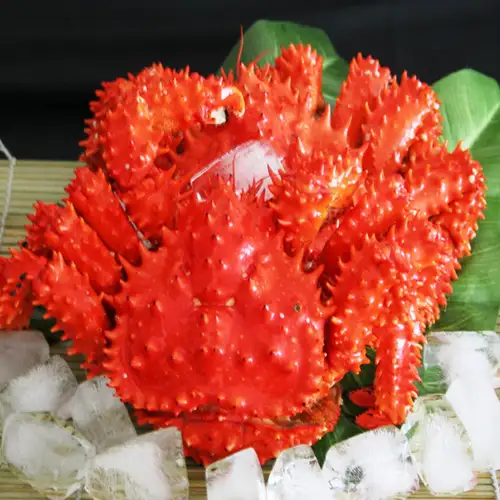
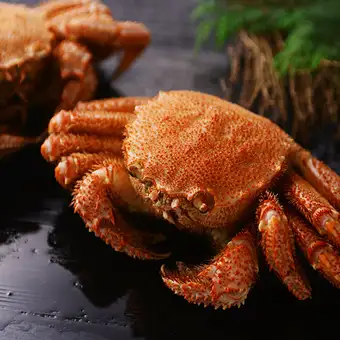
Its shell is about 15 cm in size and it has spines all over its body.They are characterized by their thick, short legs, and although their name includes "crab," they are actually related to hermit crabs.Because its shell is hard and spiny, kitchen scissors or similar tools are essential when removing it.While its taste is said to be rather bland due to its high fat content, the thick legs are packed with meat, giving it a texture similar to shrimp, which seems to be a major reason for the popularity of Hanasaki crab.Besides being eaten raw, it is used in dishes such as grilled with salt, boiled in salt water, and as an ingredient in miso soup.
1/10
Purple sea urchin (Wakkanai, Rishiri, Rumoi)
-
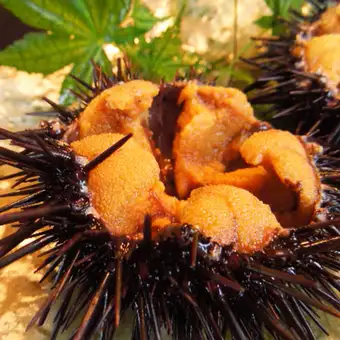
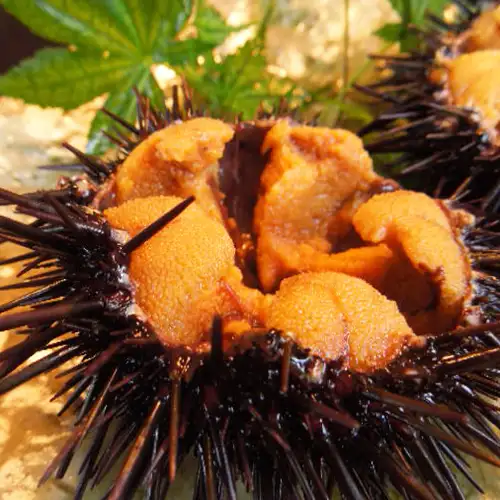
The "purple sea urchin" is a deep purple color with thick, long spines.This is the most commonly seen sea urchin along the Japanese coast and is a specialty product of Okushiri Island in Hokkaido.Fishing for purple sea urchins on Okushiri Island is permitted for only one month each year, starting in July, and during that period, you can find Okushiri-produced purple sea urchins at places like the "Hakodate Morning Market."The taste of purple sea urchin is refined, not overly rich, and is relatively easy to eat.The color is yellowish.It is a type of sea urchin that is widely eaten raw.
1/10
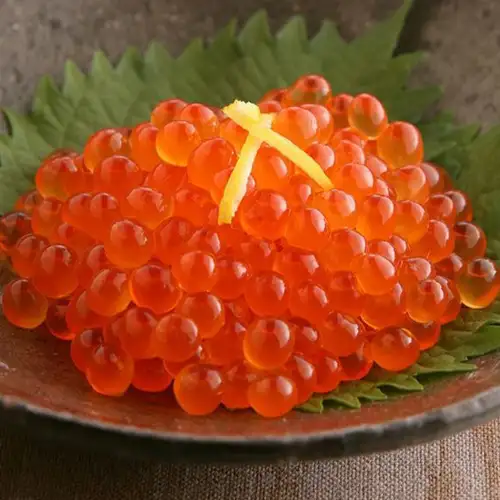
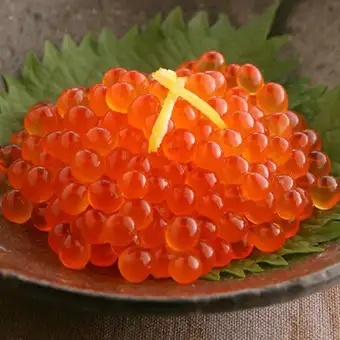
Salmon roe (Wakkanai, Rishiri, Rumoi)
-
In Japan, salmon eggs are called "ikura," but "ikura" originally comes from a Russian word meaning fish roe.Scallops that are still in the ovary are called "sujiko," while immature eggs that cannot usually be separated are sold salted along with the ovary.If the eggs are immature, the individual grains will break apart, and if they are too mature, the skin will remain when eaten, resulting in an unpleasant texture. Therefore, eggs that are just the right stage of maturity are selected to make ikura (salmon roe).The ripe eggs of chum salmon that swim upstream to spawn in the autumn are said to be the most delicious.
1/10
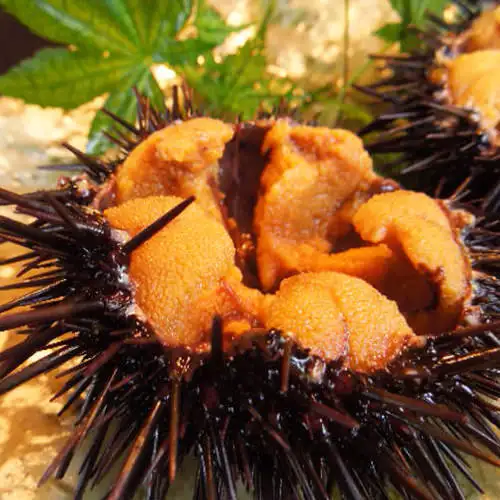
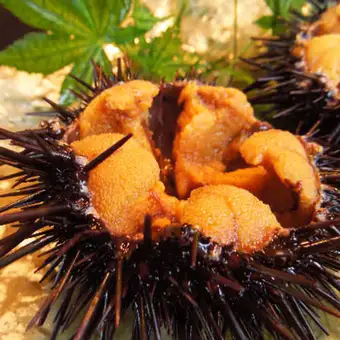
Wakkanai, Rishiri, Rumoi: Ezo sea urchin
-
The Ezo sea urchin, classified as a red sea urchin, is called "bafun uni" (horse manure urchin) because its appearance resembles horse manure.In the Shakotan area of Hokkaido, sea urchin fishing season opens in June, but the Ezo sea urchin (Ezo bafun uni) is in season from July onwards.Sea urchins from Shakotan are characterized by their firm flesh and rich flavor, thanks to being tossed about in the rough waves of the Sea of Japan.
1/10
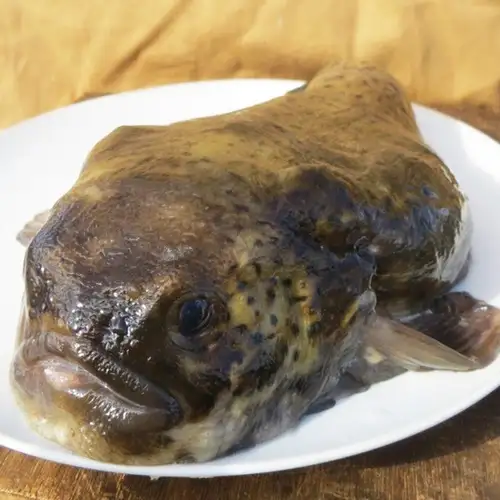
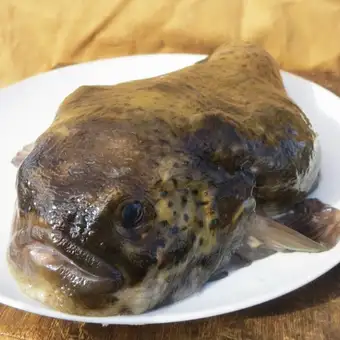
Playing pretend as Wakkanai, Rishiri, and Rumoi (using a type of lumpfish)
-
"Gokko" is a fish eaten in Hokkaido, and its official name is "Hoteiuo".It seems this name comes from its plump, chubby appearance with a bulging belly, which gives it the endearing look of Hotei, one of the Seven Lucky Gods.Males and females have different body colors, with females being noticeably whiter overall.During the winter months from December to March, they approach shallow rocky reefs to spawn, where they are caught using gillnets and other methods.Female fish carry a large number of eggs during the spawning season, and because these eggs are delicious, females have a higher market value.
1/10
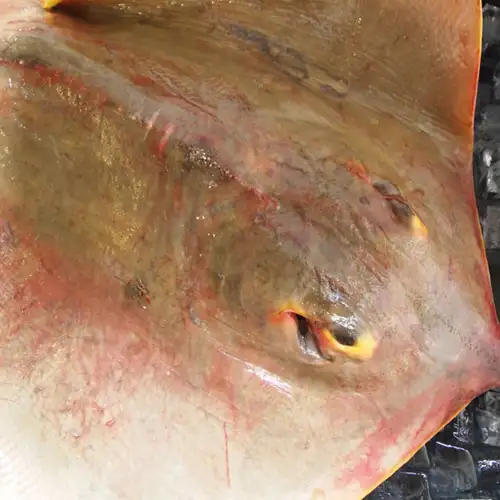
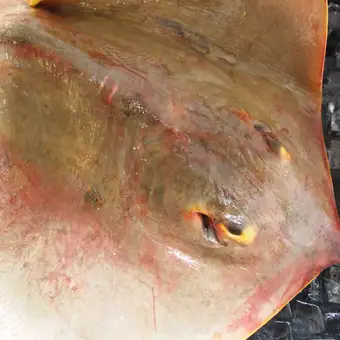
Wakkanai, Rishiri, Rumoi: Kasube (a type of skate)
-
In Hokkaido and the Tohoku region, stingrays, including the spectacled skate, are called "kasube."The cartilage portion of the fin is commonly sold as fillets and has long been a popular ingredient in Hokkaido, enjoyed as a home-cooked meal.The main cooking methods are simmering and deep-frying.Its gelatinous texture, which becomes smooth and creamy when heated, has garnered a loyal following.
1/10
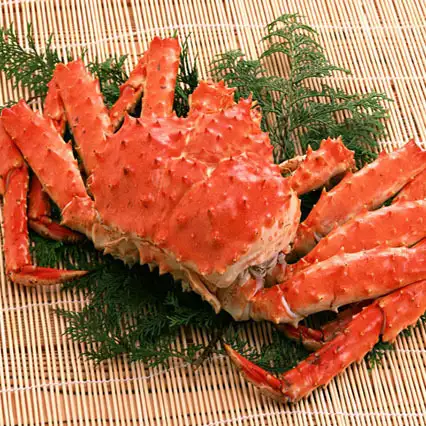
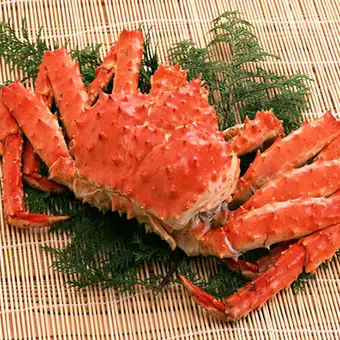
King crab (Wakkanai, Rishiri, Rumoi)
-
The king crab, a type of hermit crab, is written as "鱈場蟹" (tarabagani), which is said to mean a crab that is caught during the time when cod are caught, or where cod are found.They are distributed in waters between 30 and 360 meters deep around Hokkaido, and migrate to shallower coastal areas during the spawning season.In Wakkanai, the fishing season runs from January to May.The carapace of the king crab has numerous distinct spines, and when born, its back is purple, while its underside and claws are vermilion yellow.When heated, its entire body changes to a vivid crimson color.
1/10
Wakkanai, Rishiri, Rumoi: Hairy Crab
-
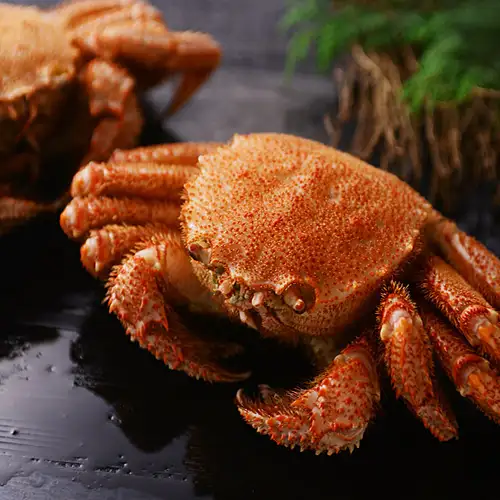
Known for its sweetness and the rich flavor of its crab miso, the hairy crab is one of the most representative crab flavors.The fishing season for hairy crabs in Hokkaido varies depending on the region. Okhotsk crabs are caught from March to August, Funka Bay crabs from June to July, Nemuro crabs from July to October, Tokachi crabs from November to December, and Kushiro crabs from November to February. Overall, hairy crabs are landed throughout Hokkaido year-round.The peak season for hairy crabs is generally from March to June, before they molt, but freshly caught hairy crabs have different flavors depending on the time of year and are delicious.
1/10
Squid from Wakkanai, Rishiri, and Rumoi
-
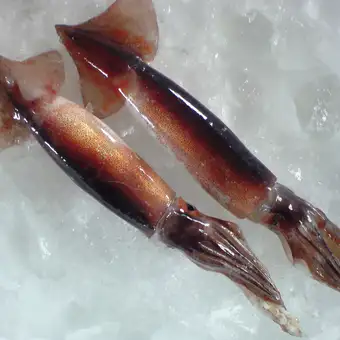
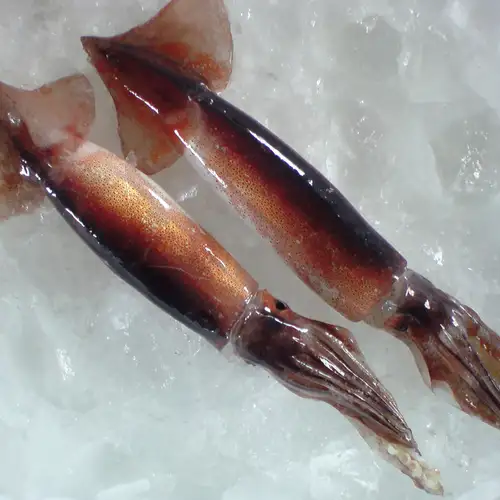
The fishing season is mainly from summer to autumn, with catches possible from June in Hakodate, from August to the end of November in Rebun, from July to October in Wakkanai, and until the beginning of December in Rausu.The history of squid fishing is long, and records from the Tenmei era (1781-1788) indicate that, albeit in small quantities, squid were exported to China via Nagasaki.It flourished following the opening of Hakodate port in 1859.Just as the word "surumeika" (Japanese flying squid) brings to mind "ika sashimi" (squid sashimi), it's delicious to eat fresh squid with translucent flesh as sashimi or thinly sliced "ika somen" (squid noodles).
1/10
Amberjack sashimi (Wakkanai, Rishiri, Rumoi)
-
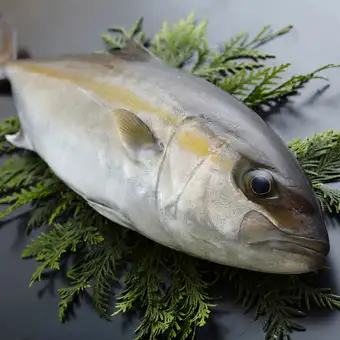
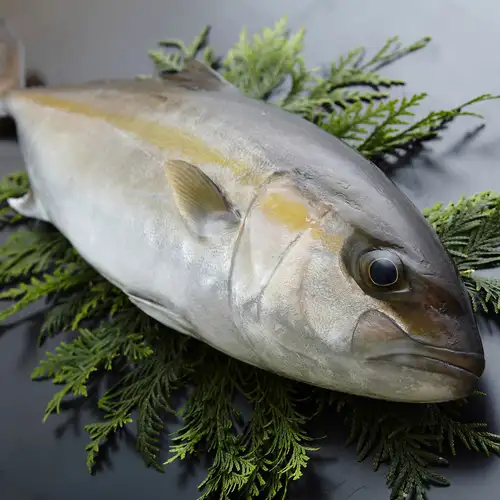
Along with yellowtail and greater amberjack, greater amberjack is known as one of the "big three" of yellowtail species.It has the least fat of the group, but its flesh is firm and has a refined flavor. Also, because it is caught in smaller quantities in Japanese waters than yellowtail or amberjack, wild-caught specimens are especially prized as a high-class fish.From the height of summer through to mid-autumn, when they start being caught in Sagami Bay and the outer Boso Peninsula, they really begin to develop their fat content and taste great.Sashimi
1/10
Seared Bonito (Wakkanai, Rishiri, Rumoi)
-
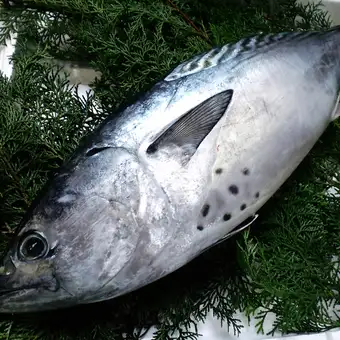
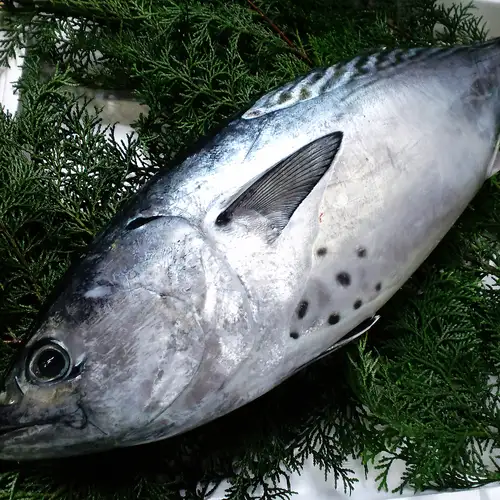
A large piece of bonito is seared over high heat, sliced while still hot, topped with green onions and garlic, and then pounded with ponzu sauce.Whether you pile on the aromatic vegetables generously or use very little, the dish will taste good either way.Sprinkle with salt, roast over high heat, slice while still hot, and eat with citrus fruits or other accompaniments.The "salt-seared bonito" is also delicious.680 yen (excluding tax)
1/10
《Wakkanai, Rishiri, Rumoi》Giant Pacific Octopus Sashimi
-
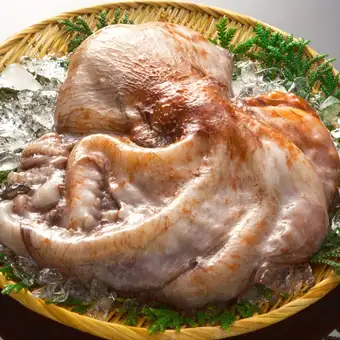
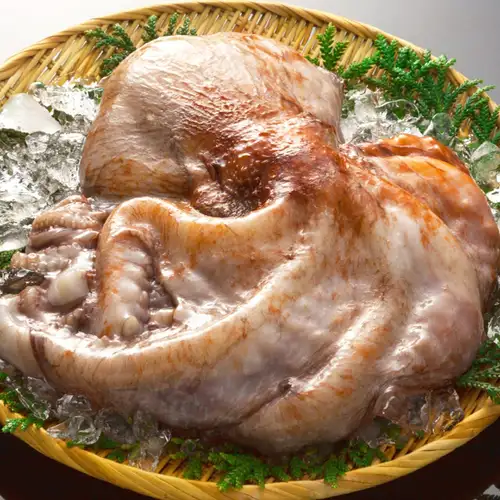
It is said to be the world's largest octopus, reaching a length of 3 to 5 meters.Although its flesh is waterier and less flavorful than the popular common octopus, which is a popular food source, its watery texture has given it a smooth mouthfeel, and in recent years, this has made it popular, to the point where it is even surpassing the common octopus in popularity.While it's mainly eaten as sashimi, shabu-shabu, which is said to be even more delicious than raw fish, has recently been gaining attention, and many izakayas (Japanese pubs) in urban areas like Tokyo and Osaka have added it to their menus.
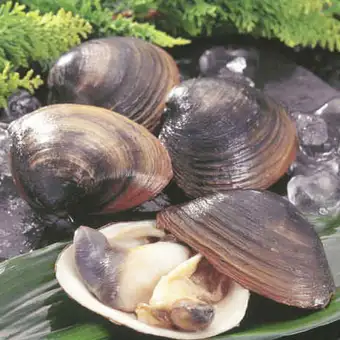
1/10
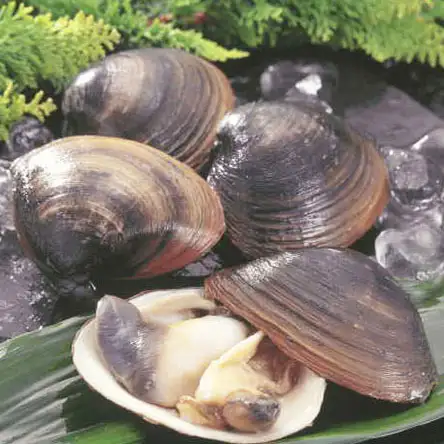
Sashimi of surf clams from Wakkanai, Rishiri, and Rumoi, Hokkaido.
-
Its official name is Ubagai, but in Hokkaido, it is commonly known as Hokki (northern clam).It is distributed throughout Hokkaido, except in mountainous areas, in sandy beach areas.It is a thick, heavy bivalve mollusk with an oval shape that is close to a triangle.Adult shellfish typically burrow to a depth of 15-30 cm, but this depth increases in summer and winter.The peak season is from June to August.Most are shipped live with their shells still on, and are used as sashimi and sushi toppings, as well as being enjoyed in a variety of dishes such as fried, butter-grilled, and in vinegared dishes.
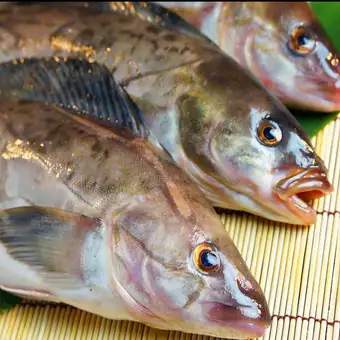
1/10
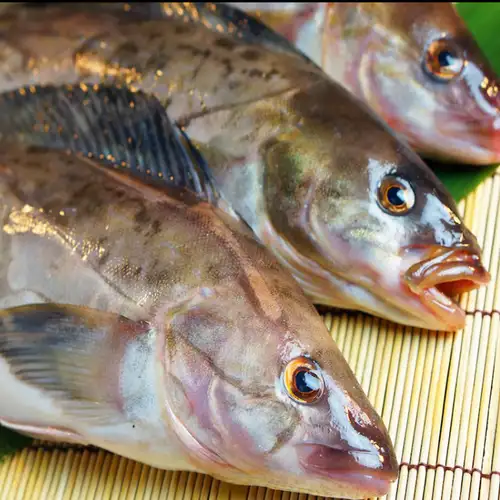
Atka mackerel sashimi (Wakkanai, Rishiri, Rumoi)
-
Because it spoils easily and loses its flavor quickly, it was not consumed outside of its production areas in the days before advanced distribution and refrigeration technologies. However, with the advancements in distribution technology, it has become a popular and delicious fish.Dried fish, in particular, is a popular menu item at izakayas (Japanese pubs) and other establishments.In its place of origin, it is used in dishes such as sashimi (ruibe), and its taste is said to be like "the fatty tuna of white fish."Because it's reasonably priced, it's a popular fish for home cooking, used in dishes like fried fish, simmered fish, meunière, and chanchan-yaki (a type of grilled fish dish).
1/10
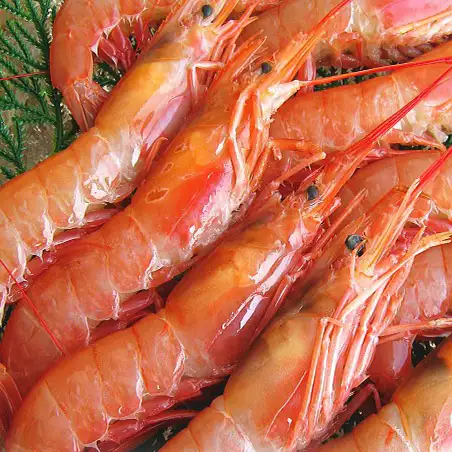
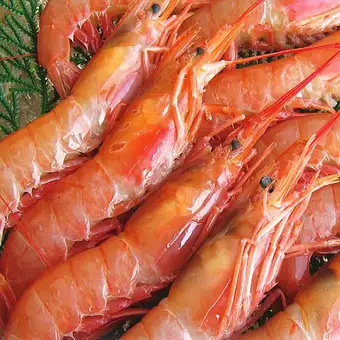
Red shrimp sashimi (Wakkanai, Rishiri, Rumoi)
-
In the Okhotsk region, when alive, the fish has a greenish-brown base color with several white or yellow vertical stripes.When heated, the greenish-brown parts turn red, creating a beautiful red and white striped pattern, hence it is also called "Hokkai striped shrimp."They mainly inhabit seaweed beds in inner bays along the Pacific Ocean and the Sea of Okhotsk, and their spawning season is from late August to late September.It is said that boiling them in salted water brings out their flavor, so it is best to eat them freshly boiled during the fishing season from early summer to summer.In the Hidaka, Rumoi, and Soya regions, spot prawns are also available.
1/10
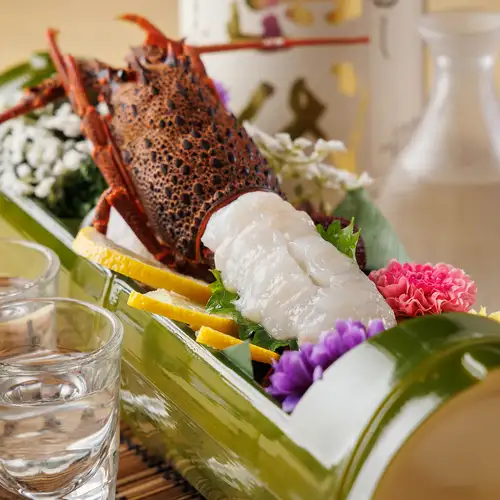
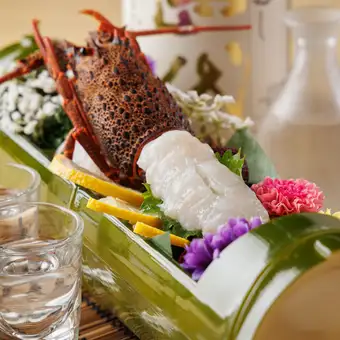
Spiny lobster from Wakkanai, Rishiri, and Rumoi.
-
One of the high-end seafood ingredients.The translucent, plump, and sweet flesh is simply irresistible.It's the king of the sea, delicious raw, grilled, or boiled.Furthermore, its long beard and bent back are considered symbols of longevity, and it has long been an indispensable ingredient in Shinto rituals as an auspicious food.
1/10
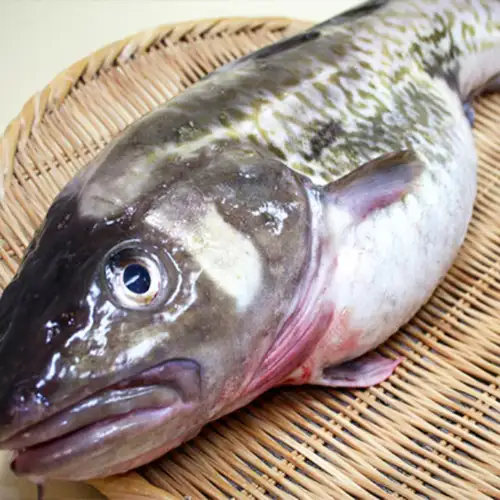
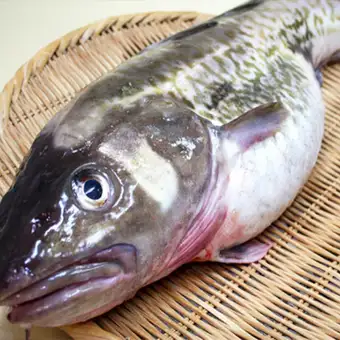
Cod from Wakkanai, Rishiri, and Rumoi in Hokkaido
-
As the name suggests, Pacific cod tastes best when it snows.The milt of the male fish is called "tachi" and pairs well with ponzu sauce and grated daikon radish with chili pepper.The eggs of the female are much larger than those of the Alaska pollock, and in Hokkaido, they are cooked with konjac noodles and ginger.The meat is, of course, the star of the hot pot.Internal organs and bones are also used in Sanpei-jiru soup.One theory suggests that the "spotted" part of the name comes from the pattern on this fish's body.Normally, cod have a mechanism that dissolves their own bodies after death, causing their flesh to turn cloudy white. However, if they are killed using the ikejime method (a method of killing fish to preserve freshness), you can enjoy their translucent flesh.
1/10
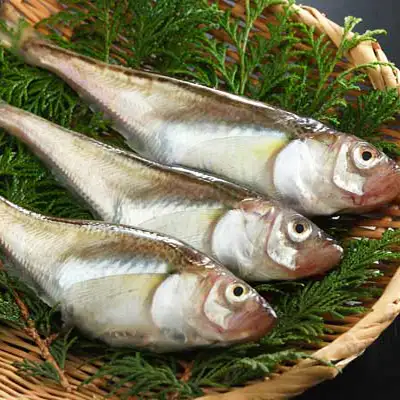
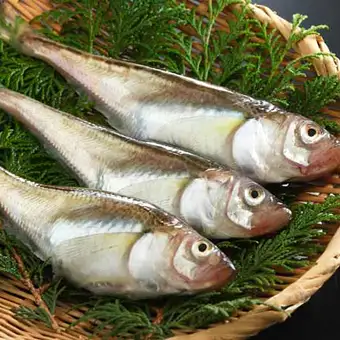
Wakkanai, Rishiri, Rumoi - Hatahata (a type of fish)
-
The main production areas are Ishikari, Abashiri, Nemuro, Kushiro, Hidaka, and Funka Bay.They are caught in coastal areas using gillnets from November to December, and offshore in the Musashi Bank and off the coast of Mashike using offshore bottom trawls from September to October, but the catch volume is decreasing year by year.However, there is growing concern among fishermen about increasing the population of sandfish, and various initiatives such as aquaculture and resource management are being undertaken by fishermen themselves in many places.Its peak season is winter, and it is prepared in various ways such as grilled with salt, in a hot pot with fish sauce, or simmered in broth. The roe, called "buriko," is also delicious.
1/10
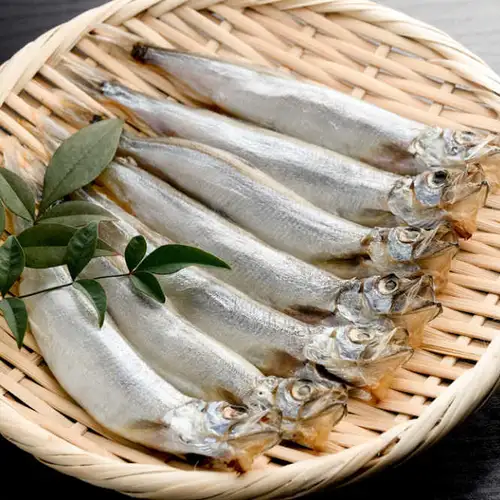
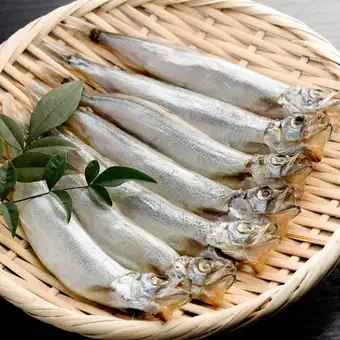
Shishamo (smelt) from Wakkanai, Rishiri, and Rumoi.
-
Shishamo is a fish endemic to Japan, found only in waters shallower than 120 meters along the Pacific coast of Hokkaido.They swim in schools up specific rivers to spawn, and their peak season is autumn, mainly from mid-October to late November.The rivers from which they migrate upstream include the Mukawa River in the Iburi region, the Saru River and Tokachi River in the Hidaka region, and the Charo River, Akan River, Shin-Kushiro River, Bekanbeushi River, and Oboro Diversion River in the Kushiro region. It has been confirmed that the populations distributed along the Hidaka coast and those along the Kushiro and Tokachi coasts are genetically distinct.
1/10
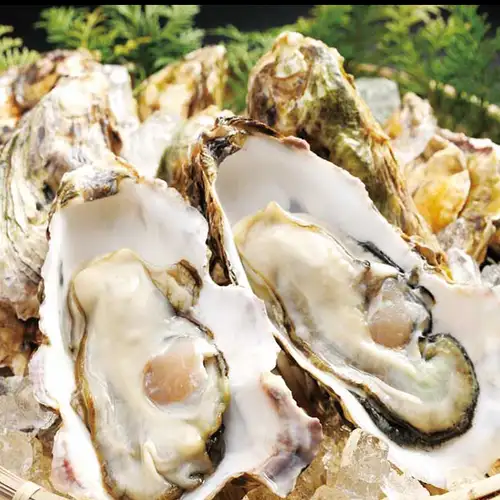
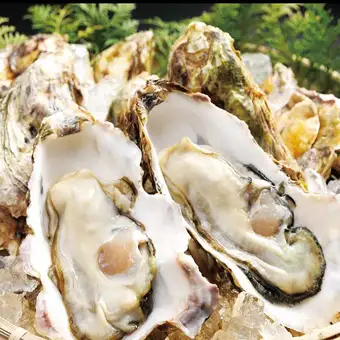
Oysters from Kombumori, Kushiro, Abashiri, and Nemuro
-
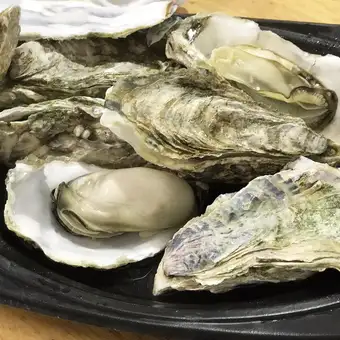
These oysters are cultivated in Kombumori, located on the eastern Pacific coast of Kushiro City, the capital of eastern Hokkaido.As the place name Konbumori suggests, it is a fishing ground with a coastline blessed with abundant kelp resources."Kombumori oysters," harvested in the Senpōshi district facing Akkeshi Bay, are a brand of oyster that is distributed throughout Japan.These oysters are rich in minerals, small in size but with a deep, rich flavor, and a beautiful, slightly translucent, pale green hue.The saltiness is a bit strong, so it's best to enjoy it fresh with a squeeze of lime!
1/10
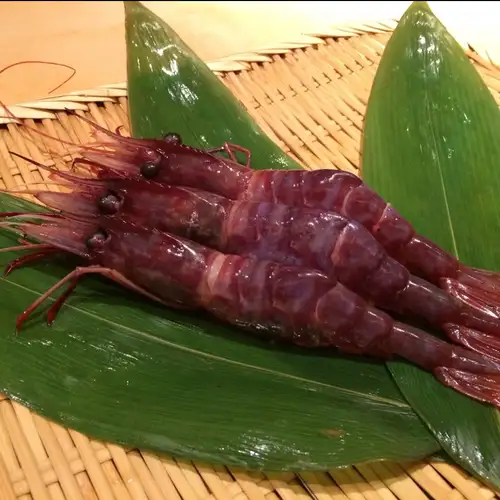
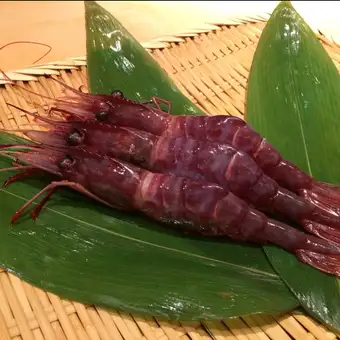
Shiretoko Grape Shrimp
-
Grape shrimp, caught in Rausu, Hokkaido, are a delicious shrimp known to those in the know, with a strong sweetness and firm texture.However, due to its large eggs, small spawning population, and low catch volume, it is only distributed in limited areas, making it highly prized and considered a "phantom shrimp."When alive, they are bright red, as if clad in crimson clothing. After being caught, their body color changes to a grape-like color, and this color fades over time, so it's best to choose ones with a deep grape color.
1/10
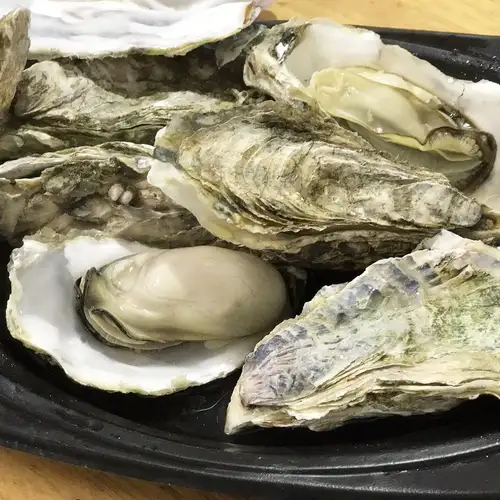
Maruemon (Kushiro, Abashiri, Nemuro)
-
It is one of three branded oysters: Kakiemon, Maruemon, and Nagaemon.Among them, Maruemon is a variety that is shipped nationwide, proving the deliciousness of Akkeshi oysters.This is the only variety in Japan that is shipped year-round, and it is characterized by its plump flesh and rich sweetness.Maruemon refers to scallops that have been raised for about a year by attaching numerous juvenile scallops to the shells of adult scallops, and then transplanted to the Akkeshi sea area where they are cultivated for 1 to 3 years.To distinguish it from the other two varieties, it is classified as a farmed product from the Akkeshi sea area.
1/10
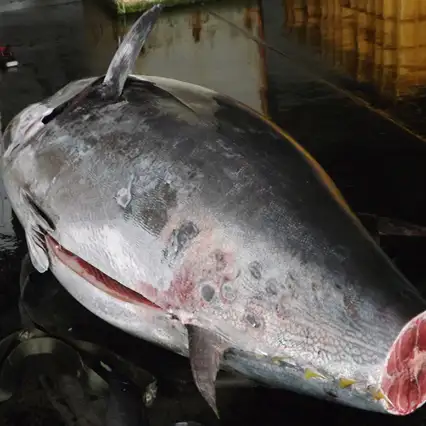
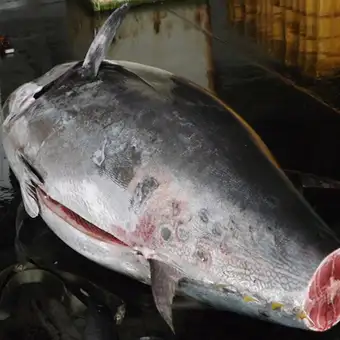
Hakodate: Toi tuna (lean meat)
-
Toi Fishing Port in Hakodate City is located on the northern side of the Tsugaru Strait, and is a prime fishing port where the warm Kuroshio Current, which flows northward from the Sea of Japan, and the cold Oyashio Current, which flows southward from the Bering Sea, meet.Across the strait, on the south side, is Aomori (Ōma), a distance of approximately 18 km.A major characteristic is the speed at which they process the tuna after catching them.The tuna was immediately brought onto the ship, processed quickly, and then submerged in ice water in a tank at the bottom of the ship to maintain its chilled state.It is said to be very fresh, maintain its high quality for longer than others, and have a good yield, which is why it is gaining popularity.
1/10
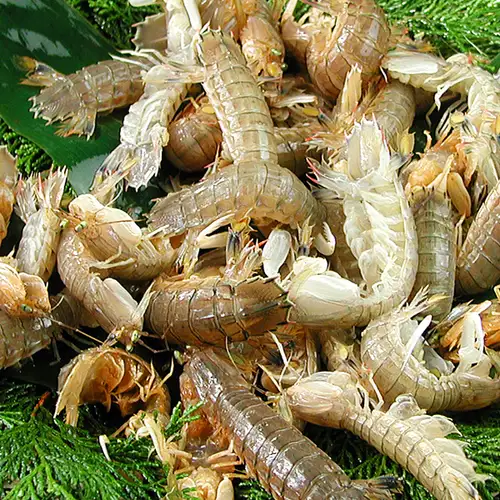
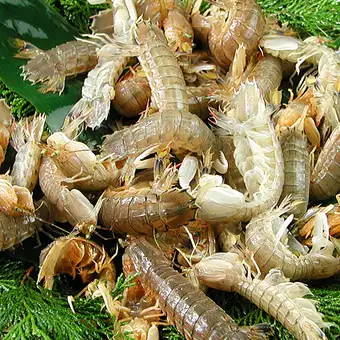
Mantis shrimp (Otaru, Niseko, Yoichi)
-
Mantis shrimp fishing in Hokkaido is conducted only in Ishikari Bay, with Otaru's coastal waters being a particularly famous production area, known for the size of the mantis shrimp caught there.In Otaru, there is a tradition that mantis shrimp become more flavorful in the autumn as they store nutrients in their bodies in preparation for winter, so fishing for them takes place from October to December.Mantis shrimp are removed from the nets while still fresh after being caught and boiled while still alive, but apparently, the freshest ones are delicious even eaten raw.In recent years, efforts to brand Otaru's mantis shrimp have also become more active.
1/10
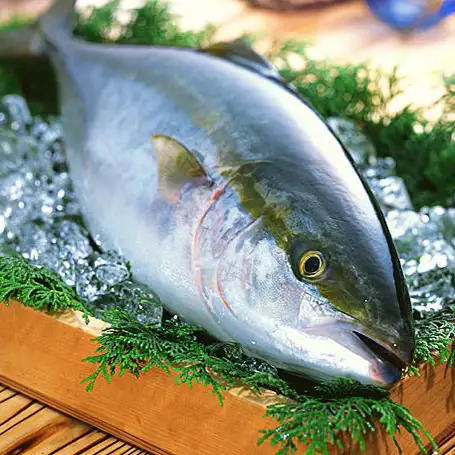
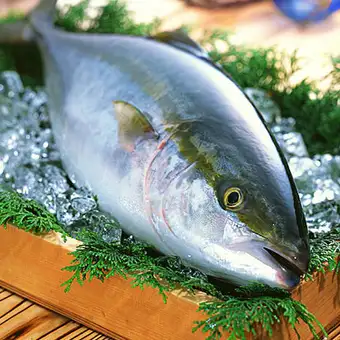
Yellowtail sashimi from Hakodate
-
It's a fish that brings good fortune and is an essential part of New Year's dishes! Farmed yellowtail can be eaten all year round, unlike winter yellowtail.It is a prime example of a fish whose name changes depending on its size, a fish that is known as a "fish that changes its name as it grows."It has long been considered an auspicious fish and is an essential ingredient in New Year's dishes.It contains a balanced amount of protein, minerals, vitamins, EPA, and DHA, and is especially rich in vitamin D.Furthermore, the main component responsible for the delicious flavor of yellowtail is inosinic acid.Vitamin D helps the body to effectively utilize calcium.
1/10
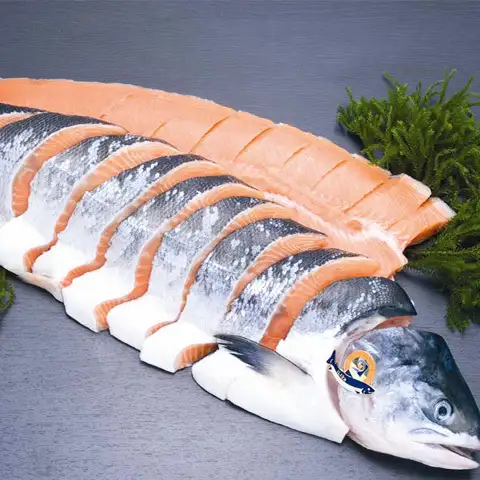
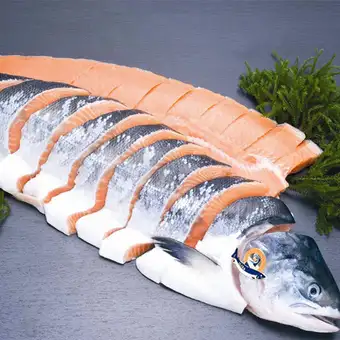
Hakodate Salmon Sashimi
-
It is a representative fish caught in Hokkaido, and every year, more than 2,000 tons are caught in the less than four-month period after fishing is permitted in September.Salmon have a habit of returning to the river where they were born to spawn in September and October, and they can be caught using fixed nets there.Salmon caught during this season are called "autumn salmon," and their greatest appeal is the roe (ikura) produced by the females.Salmon are often caught in fixed nets at times other than this season, but these salmon are called "tokishirazu," meaning "tokishirazu," because they have returned at the wrong time of year.
1/10
Hakodate: Ezo abalone sashimi
-
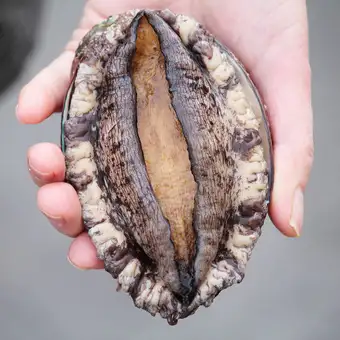
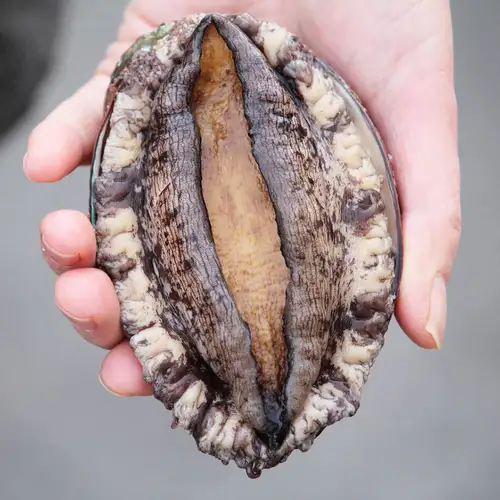
The Ezo abalone boasts a flavor comparable to the highly-regarded black abalone, and is the most widely harvested abalone species consumed in Japan.Compared to the black abalone, it has a longer, narrower shell and a more uneven surface, but when grown in the same habitat as the black abalone, it grows to a point where it becomes indistinguishable from the black abalone.In Kumaishi, Yakumo Town, Hokkaido, "Ezo abalone" are being farmed and sold locally.
1/10
Hakodate whelk
-
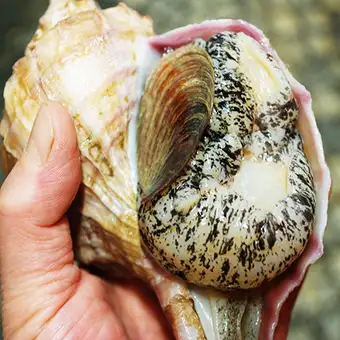
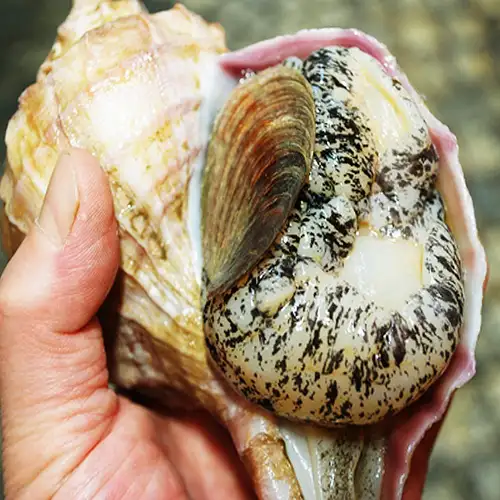
Whelk has a strong scent of the sea, a crunchy texture, and a unique flavor full of the aroma of the ocean, making it a popular and high-class shellfish ingredient in sushi, alongside turban shells.Because of its excellent appearance and taste, it is treated as a high-end shellfish in the market.Larger items tend to be more expensive, while smaller items tend to be cheaper.
1/10
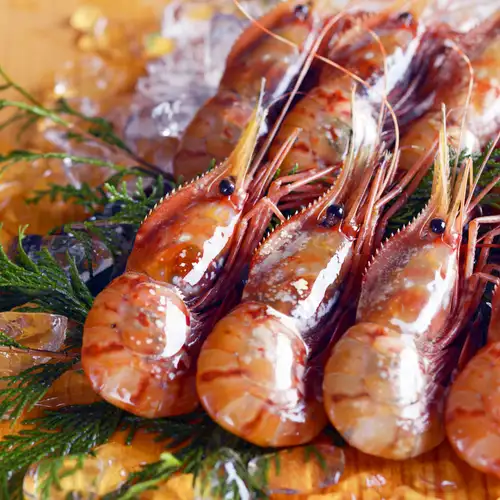
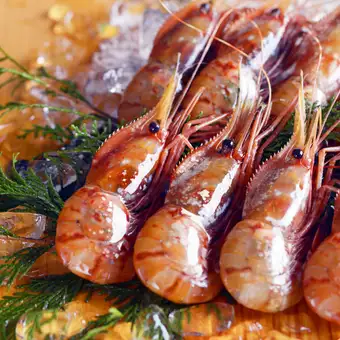
Hakodate Botan Shrimp
-
These shrimp can grow up to about 20 centimeters in length.In Funka Bay (Uchiura Bay) off the coast of Hakodate, spot prawns are caught in spring and autumn and brought to Hakodate.While spring spot prawns are known for their delicious flesh, the appeal of autumn spot prawns lies in the eggs carried by the females.Moreover, since spot prawns undergo a sex change to become female after maturing as males, all the larger ones are females, and you can expect them to be carrying plump eggs, which is a pleasant surprise.
1/10
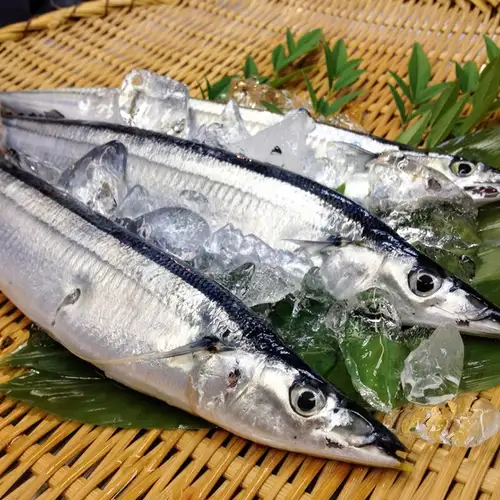
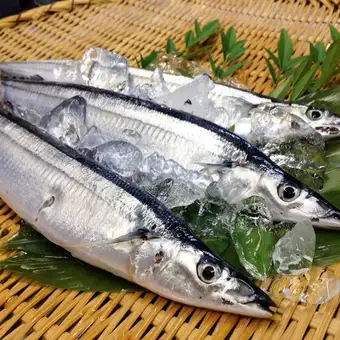
Pacific saury from Kushiro, Abashiri, and Nemuro, Hokkaido.
-
This oceanic, pelagic fish is known to migrate seasonally, but demand for it increases from late summer to autumn when it is fattier.The umami flavor is enhanced by the food chain nurtured by nutrient-rich seawater, and the Nomochi area off the coast of Kushiro is famous for its abundance of large, fat-rich zooplankton.In recent years, fresh "Aoto saury," carefully selected by fishermen on board the boat based on color, shape, and weight, and packed in styrofoam boxes filled with chilled seawater, has also gained a high reputation.Besides being used in sashimi, sushi, and salt-grilled dishes, it is also often used locally as a specialty in dishes such as kelp rolls.
1/10
Hakodate squid
-
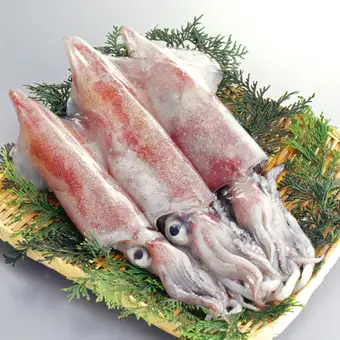
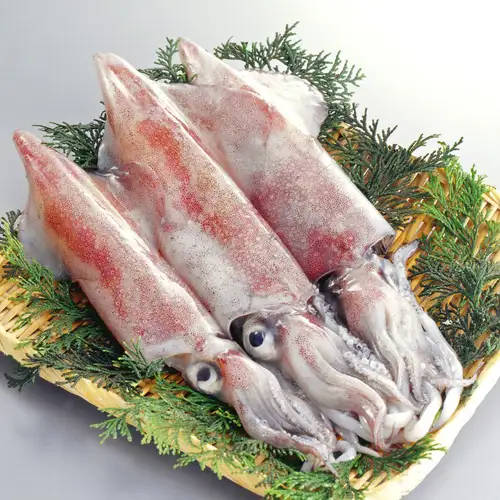
It is so popular with residents and tourists alike that it was chosen as the official fish of Hakodate City.Japanese flying squid are mainly found in the Rausu and Soya regions.The fishing season is mostly from summer to autumn, with catches possible from June in Hakodate, from August to the end of November in Rebun, from July to October in Wakkanai, and until the beginning of December in Rausu.The sashimi (squid noodles), grilled squid, the famous squid rice, and salted squid are all excellent.
1/10
Hakodate Sardines
-
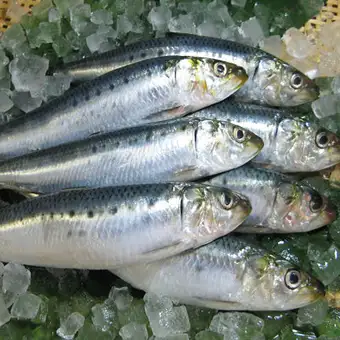
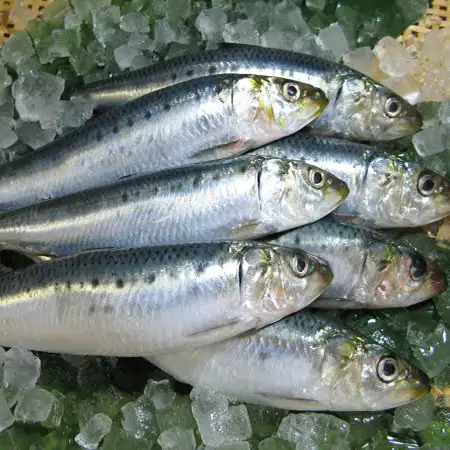
The fishing grounds are off the eastern coast of the Oshima region, and the peak season is generally from summer to autumn, with July to October being the peak season in Hakodate.They are available in the market almost all year round, but are most abundant from summer, especially in July, through to autumn, and relatively less so from winter to spring.The Japanese sardine is also known as "nanatsuboshi" (seven-spotted sardine) because of the seven or so black spots lined up in a row on its slender body, although the number of spots varies from individual to individual.Sardine oil is rich in the highly unsaturated fatty acids EPA and DHA, which are said to be effective in preventing lifestyle-related diseases and activating the brain.
1/10
Clams from Akkeshi, Kushiro, Abashiri, and Nemuro
-
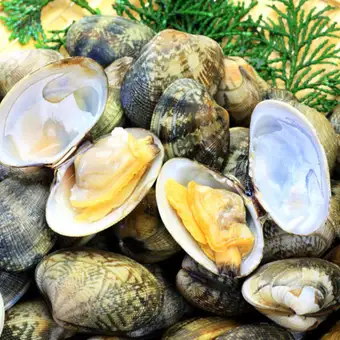
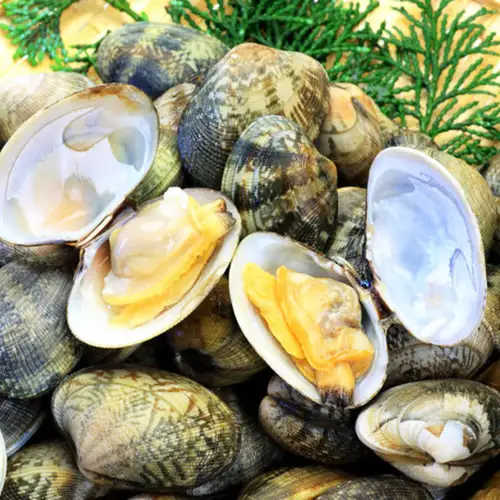
Akkeshi clams are plump and have a rich flavor.Because they grow in low-temperature seawater, they mature slowly over a long period, accumulating nutrients by eating plenty of food during that time, resulting in clams with a rich flavor that yields a lot of delicious broth.The size is actually comparable to a clam, and more than twice the normal size.Moreover, because it's plump and full of meat, you can fully enjoy its delicious flavor and aroma.With the highest production volume in Hokkaido, it's no exaggeration to say that Akkeshi clams represent Hokkaido's best clams.
◆ Plenty of volume!! Meat dishes ◆
1/10
Tokachi young beef steak
1738 jpy(税込)
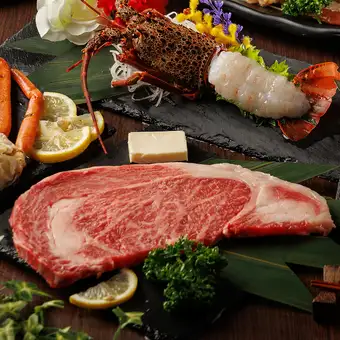
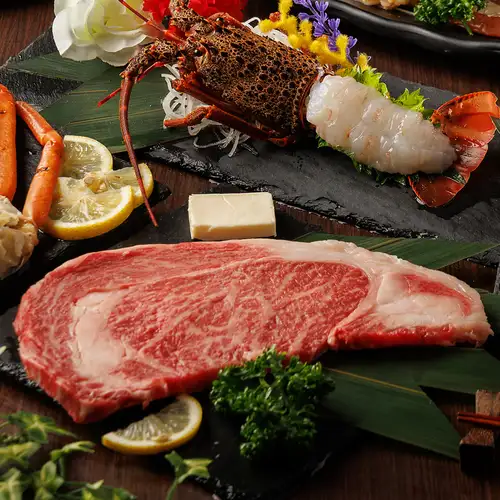
A magnificent steak cooked to perfection!
1/10
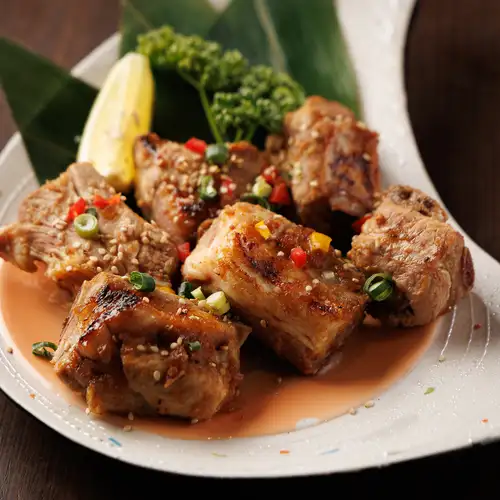
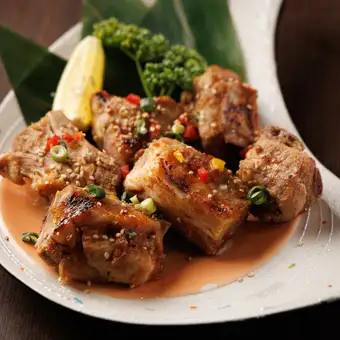
Pork spare ribs (6 pieces)
1078 jpy(税込)
The bone-in ribs, carefully prepared, are marinated in a special sauce and then grilled to perfection for a fragrant finish.Enjoy the crispy exterior and the juicy, tender interior, with the flavorful juices filling your mouth.
1/10
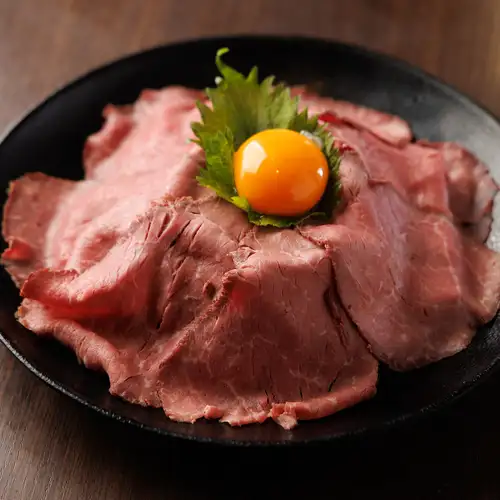
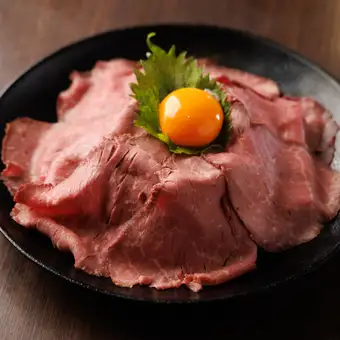
Roast beef / Roast beef yukke
1188 yen(税込)
Tokachi beef roast beef! Enjoy its luxurious flavor.
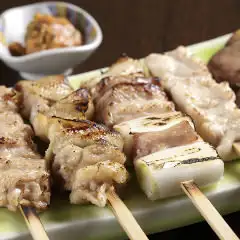
1/10
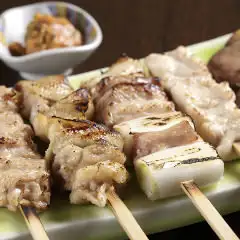
Assorted skewers (5 skewers)
968 yen(税込)
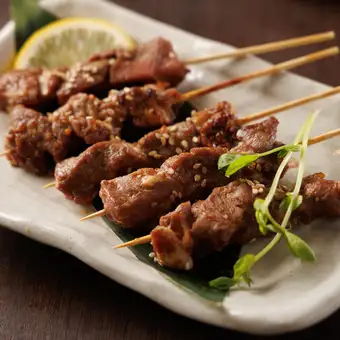
1/10
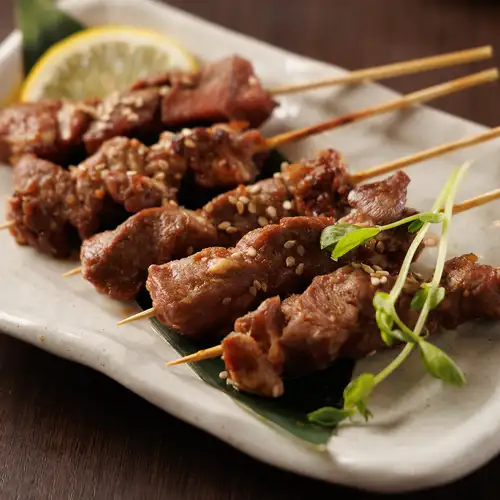
Grilled Lamb Skewers (5 skewers)
968 yen(税込)
1/10
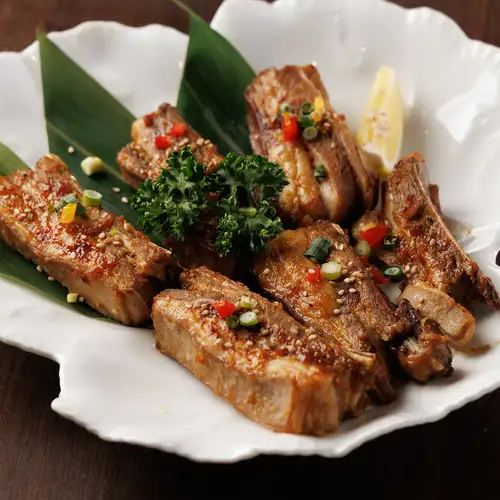
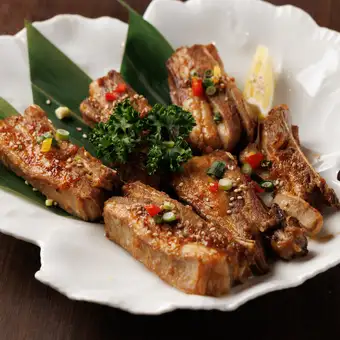
Grilled lamb chops (6 pieces)
1738 jpy(税込)
By seasoning the bone-in lamb with simple salt and pepper and slow-roasting it, you can enjoy a crispy exterior and a tender, juicy interior.
1/10
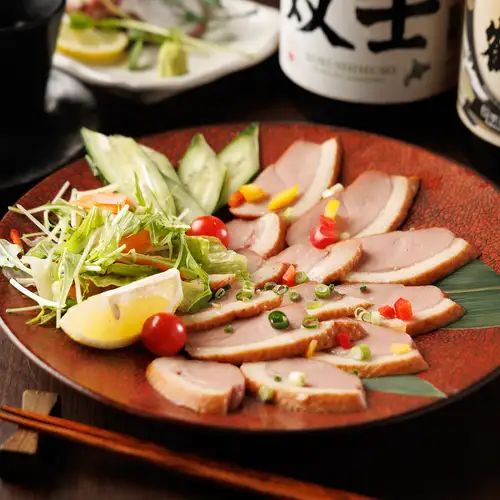
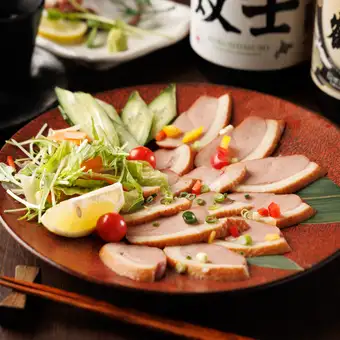
Smoked duck meat
858 yen(税込)
Beef tendon: 638 yen (tax included) / Beef tendon with ponzu sauce: 638 yen (tax included)
1/10
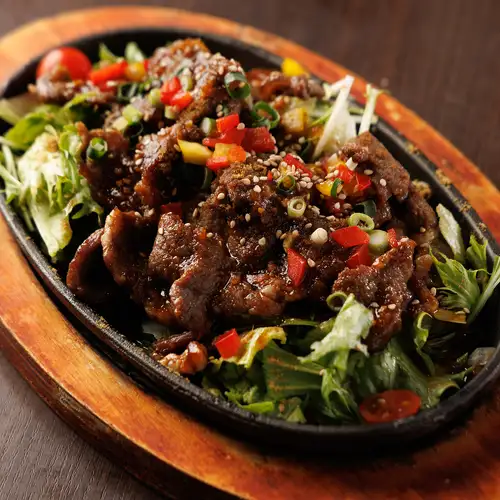
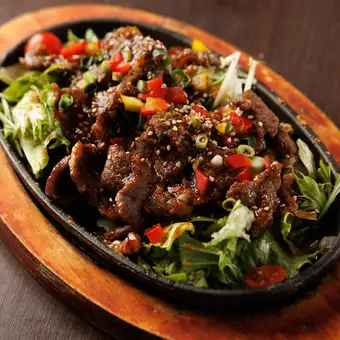
Hokkaido Genghis Khan
1738 jpy(税込)
◆ Pottery ◆
1/10
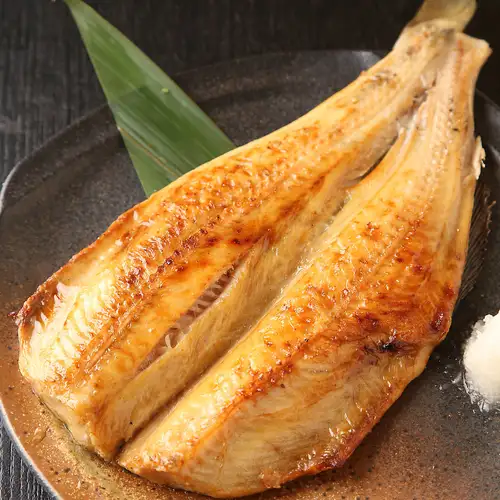
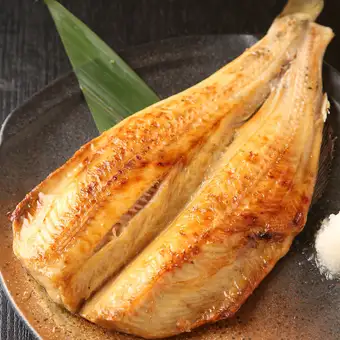
Extra-large grilled mackerel
1738 jpy(税込)
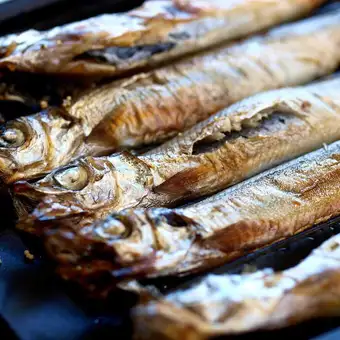
We carefully grill fresh, extra-large Atka mackerel with salt, resulting in a crispy exterior and a tender, flaky interior.Its unique, gentle sweetness and subtle saltiness are perfectly balanced.
1/10
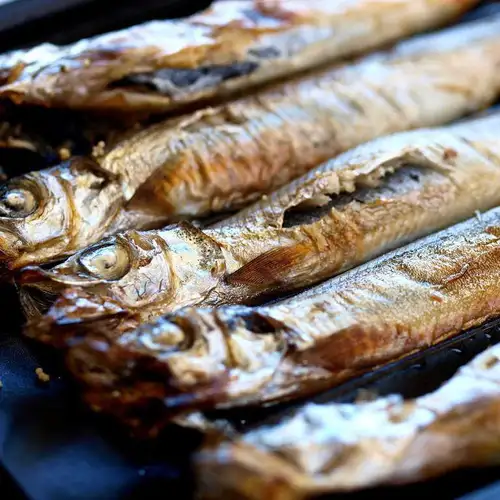
Shishamo (5 pieces)
638 yen(税込)
With its perfectly grilled aroma and firm, springy texture, this is a staple on izakaya (Japanese pub) menus.Tonpeiyaki (pork and egg pancake) 748 yen (tax included)
1/10
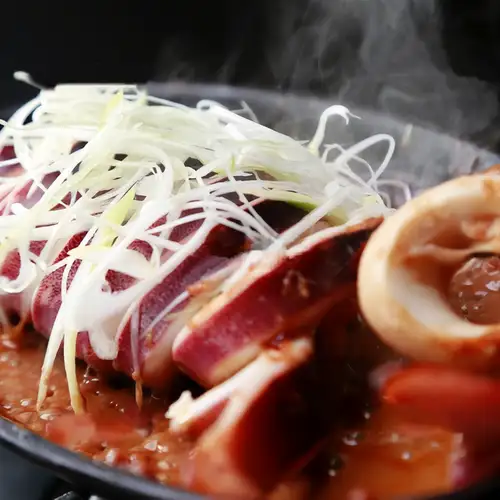
Grilled squid
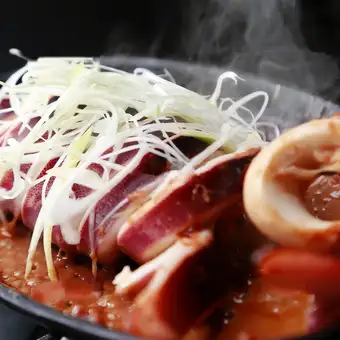
1298 jpy(税込)
Dried squid (overnight-dried): 968 yen (tax included)
1/10
Grilled sardines (4 pieces)
968 yen(税込)
Komai, raised in the cold waters of Hokkaido, offers a unique texture with a firm bite and moist flesh.While not overly fatty, it boasts a concentrated flavor and sweetness of fish.
1/10
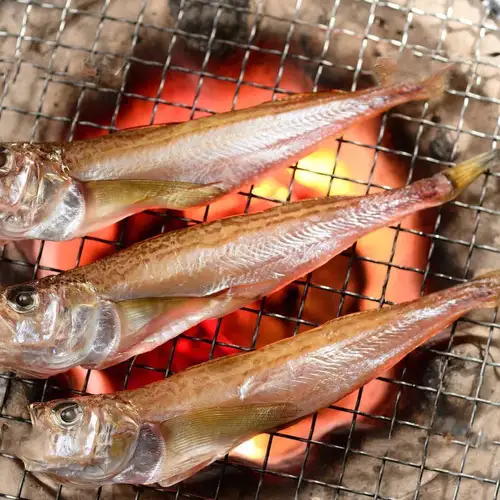
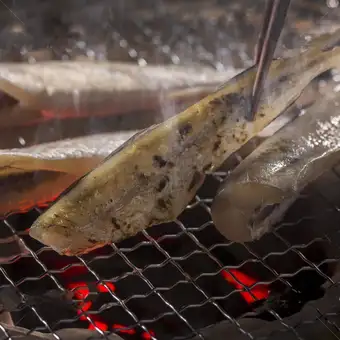
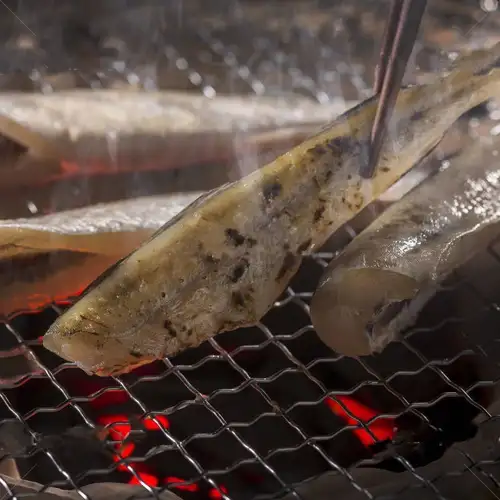
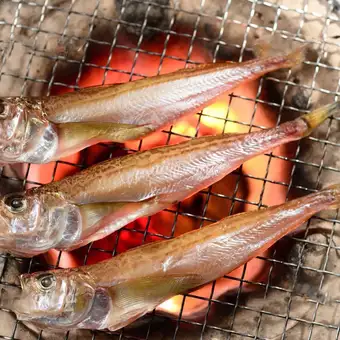
Grilled sandfish (3 pieces)
748 yen(税込)
This fish is caught along the Sea of Japan coast and is characterized by its unique umami flavor and tender white flesh.It's especially in season during winter, and the fatty flesh is very juicy.Because the bones are thin and soft, you can enjoy the whole fish, from head to tail.
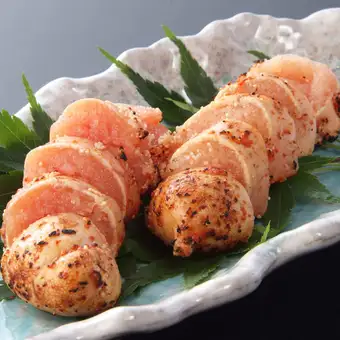
1/10
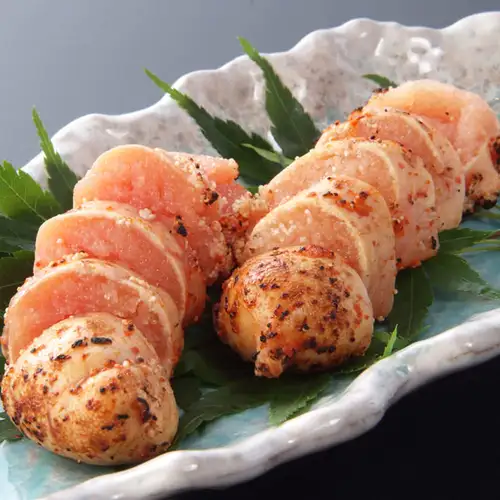
Grilled cod roe
638 yen(税込)
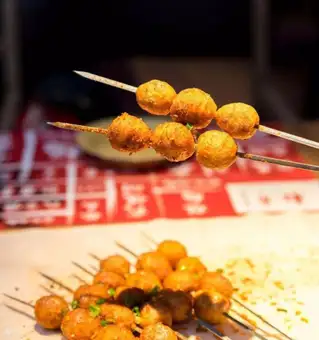
1/10
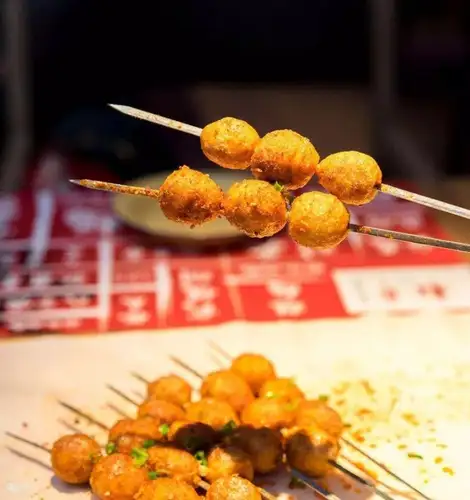
Quail egg rolls (3 omelets)
638 yen(税込)
1/10
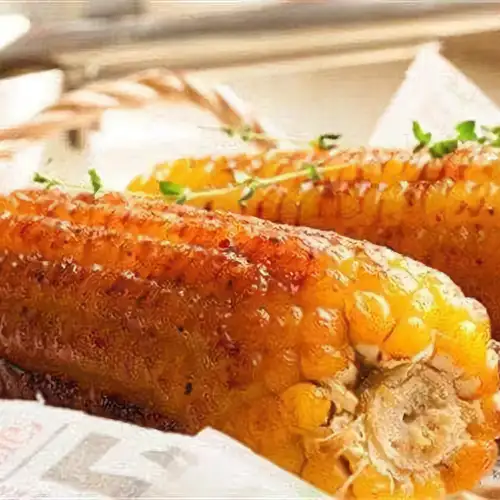
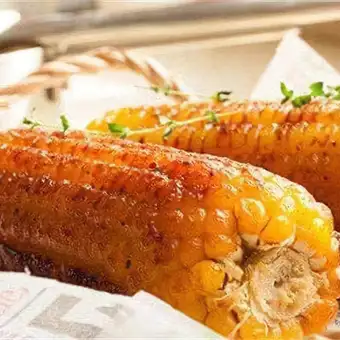
Grilled corn with butter (1 skewer)
638 yen(税込)
1/10
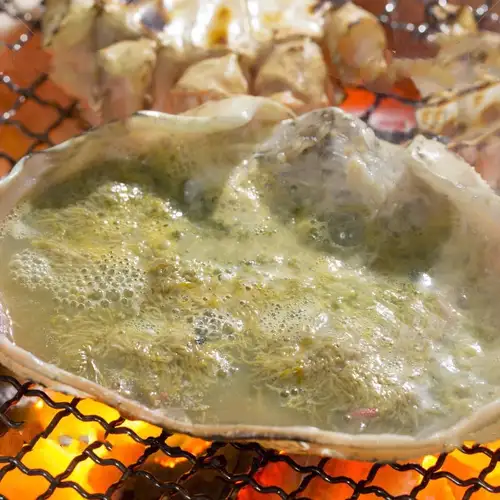
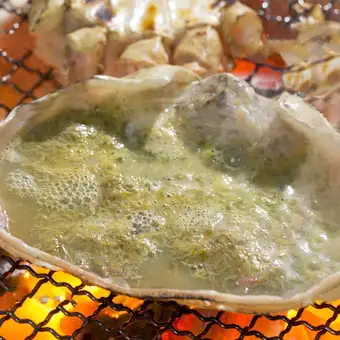
Crab miso grilled in the shell (1 piece)
528 yen(税込)
It is characterized by its rich and creamy flavor.By slowly grilling it, a savory aroma is added, bringing out an even deeper flavor.
1/10
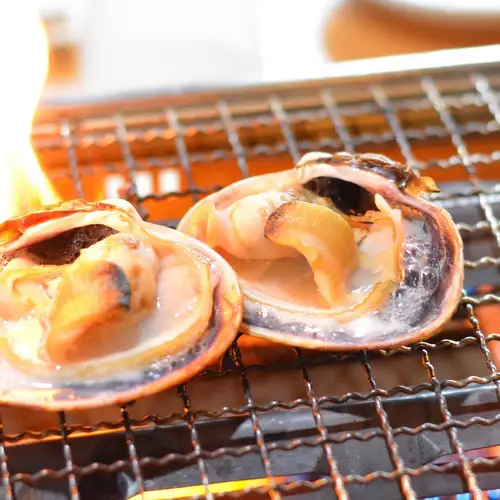
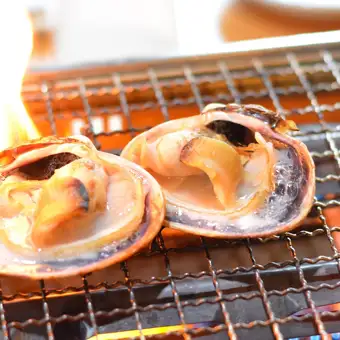
Grilled clams
748 yen(税込)
By slowly grilling the clams in their shells, the natural flavor of the clams is concentrated, and with each bite, the taste of the sea fills your mouth.
1/10
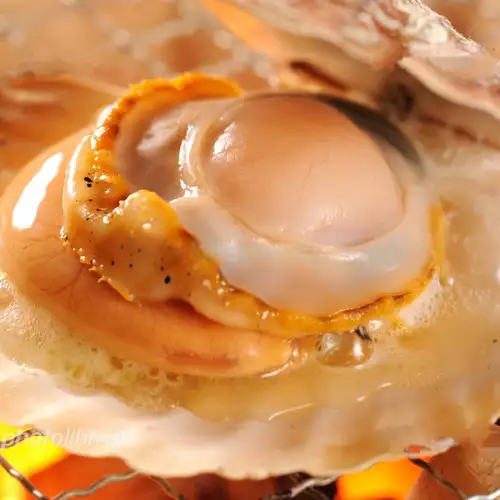
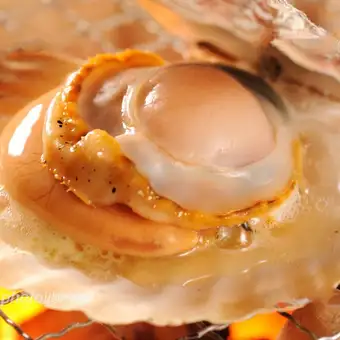
Butter-grilled scallops (1 piece)
418 yen(税込)
This luxurious dish features plump scallops perfectly complemented by the savory flavor of butter.The scallops, pan-fried to a golden brown in butter, release a burst of sweetness and juiciness in your mouth, further enhanced by the rich flavor of the butter.
1/10
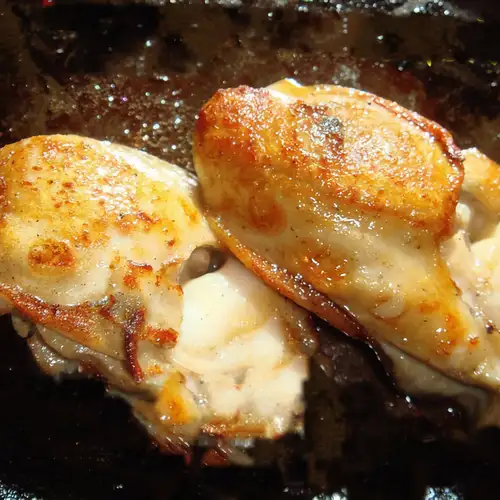
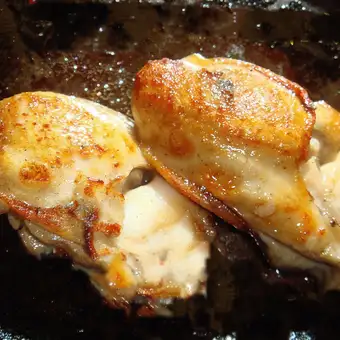
Grilled oysters with butter (6 pieces)
748 yen(税込)
Oysters are so nutritious that they are called "the milk of the sea," and are especially rich in zinc and vitamins.By slowly grilling fresh oysters in their shells with butter, the oysters' natural milky and juicy flavor is brought out.The aroma of butter is added, and with just one bite, the rich flavor spreads throughout your mouth.
1/10
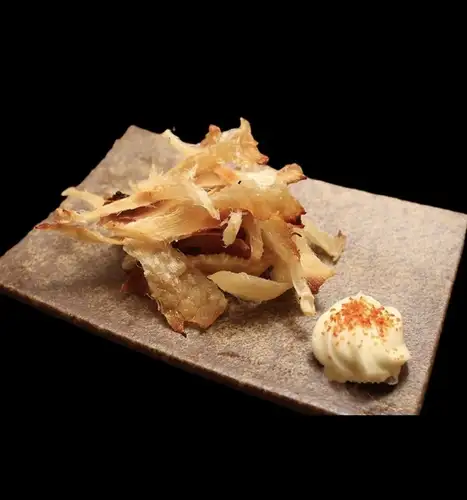
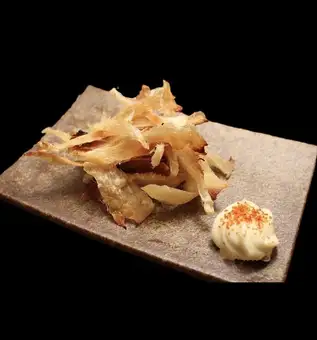
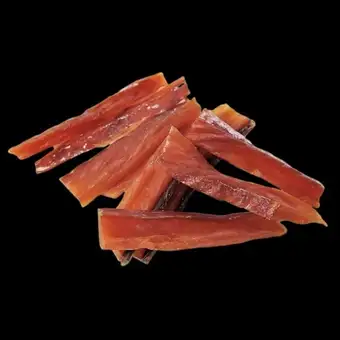
A blouse
528 yen(税込)
1/10
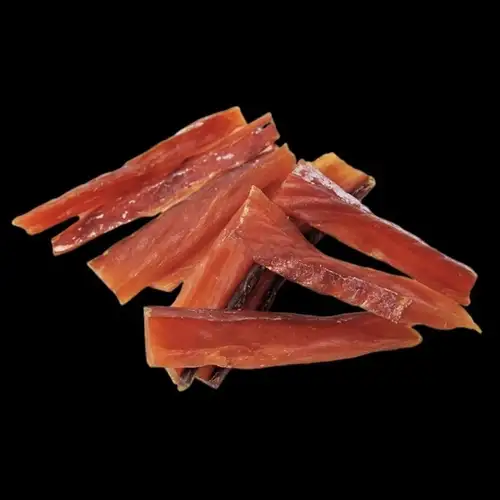
Salmon skipjack
638 yen(税込)
1/10
Grilled chicken wings (4 pieces)
968 yen(税込)
◆ Fried food ◆
1/10
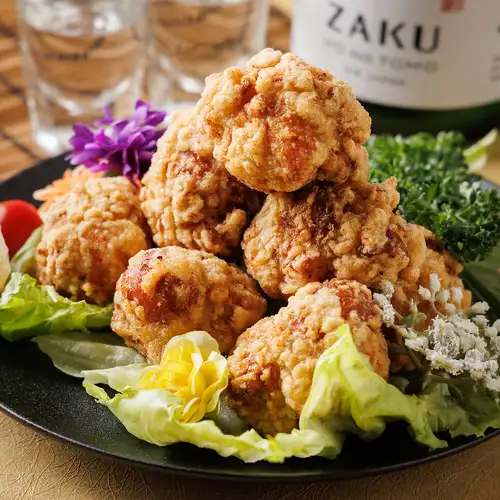
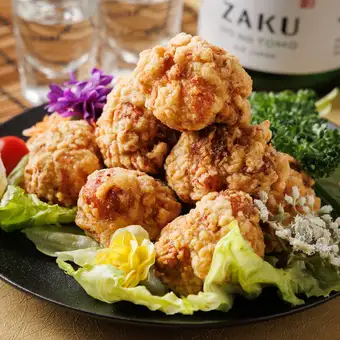
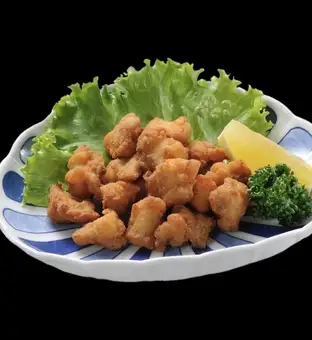
Chicken Zangi / Lamb Zangi / Sandfish Karaage
968 yen(税込)
Chicken Zangi is a type of fried chicken originating in Hokkaido, featuring a crispy, fragrant exterior and juicy, flavorful chicken interior.It's similar to regular fried chicken, but the seasoning process is different, and in some regions, it's characterized by being marinated in sauce before frying.Takozangi (fried octopus) 748 yen (tax included)
1/10
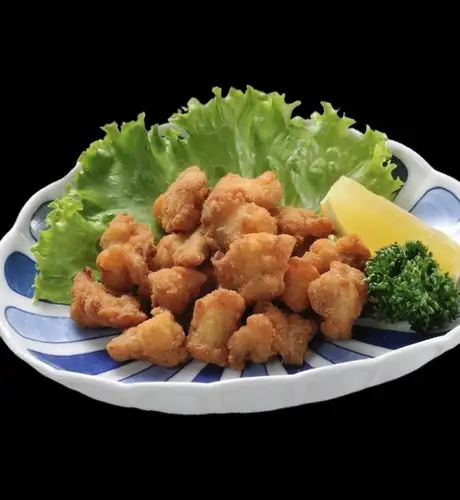
Deep-fried Tanko
638 yen(税込)
Deep-fried shrimp: 638 yen (tax included)
1/10
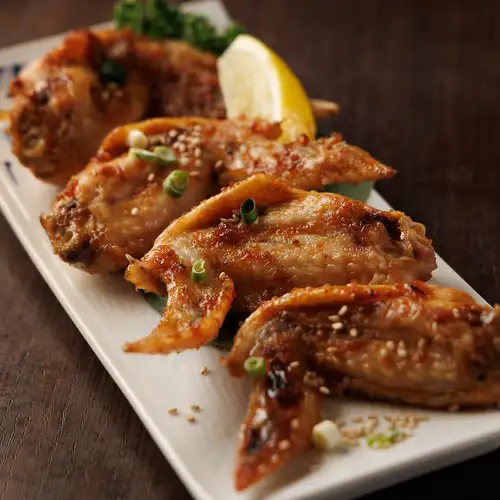
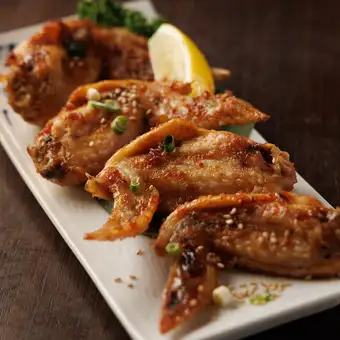
Fried chicken wings
638 yen(税込)
1/10
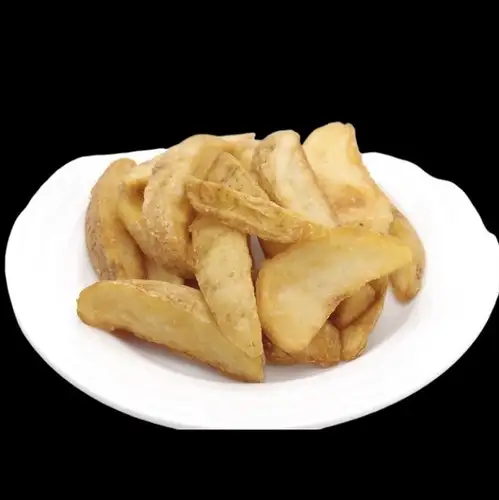
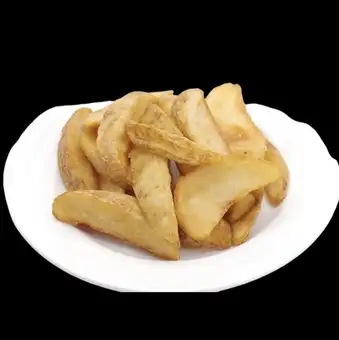
French fries
638 yen(税込)
1/10
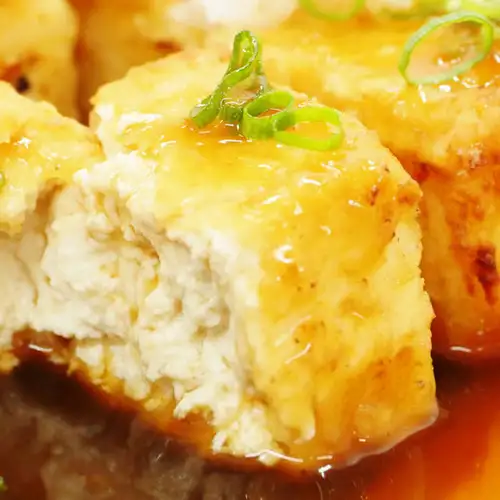
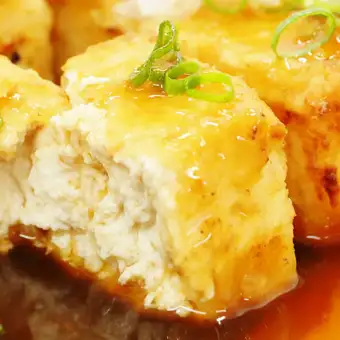
Deep-fried tofu / Thick fried tofu
638 yen(税込)
A superb item that pairs perfectly with sake!
◆ Fresh fish ◆
1/10
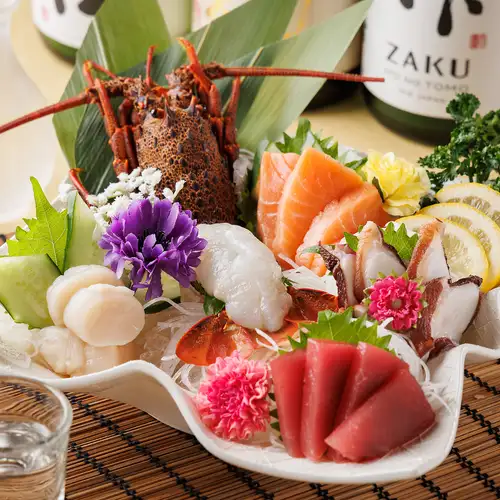
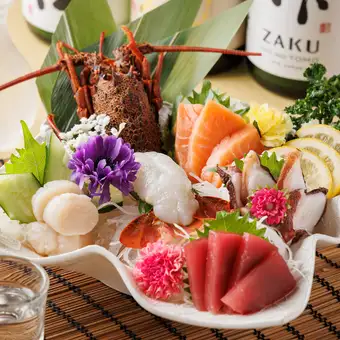
Assorted 5 kinds of sashimi (1 serving)
1738 jpy(税込)
A luxurious assortment of fresh seafood delivered directly from Hokkaido.This exquisite dish, featuring seasonal seafood, is a feast for the eyes and the palate.*Orders accepted for 2 servings or more.Regardless of the price, you can freely enjoy your sashimi platter by combining your favorite types of sashimi.
1/10
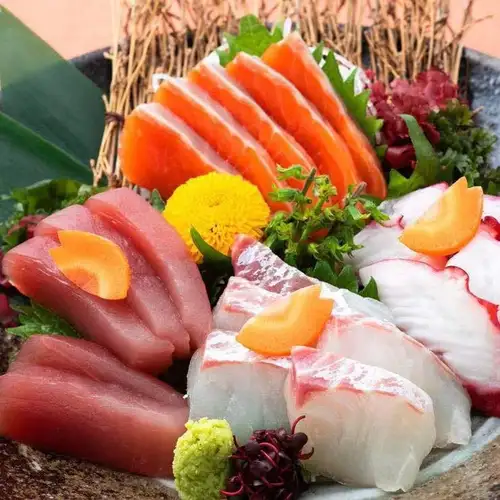
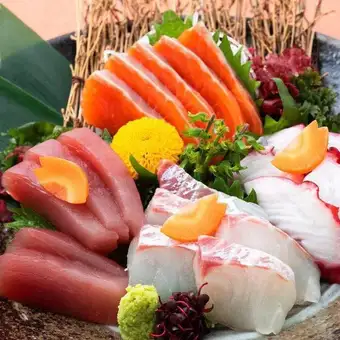
Assortment of four kinds of sashimi (1 serving)
1298 jpy(税込)
1/10
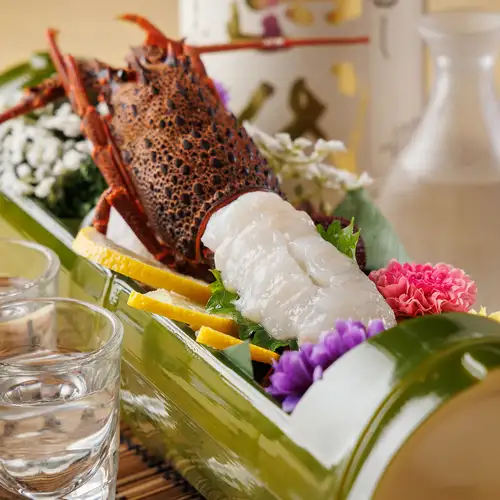
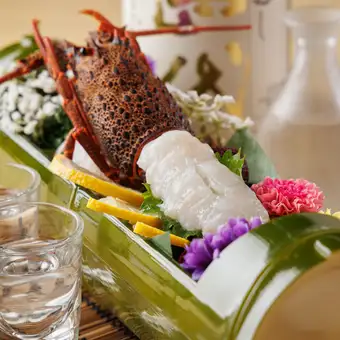
Whole spiny lobster sashimi
1738 jpy(税込)
With its firm texture and sweet flavor that fills your mouth, spiny lobster is not only visually appealing but also allows you to fully enjoy the bounty of the sea.This luxurious dish offers both elegance and deliciousness in a single plate.
1/10
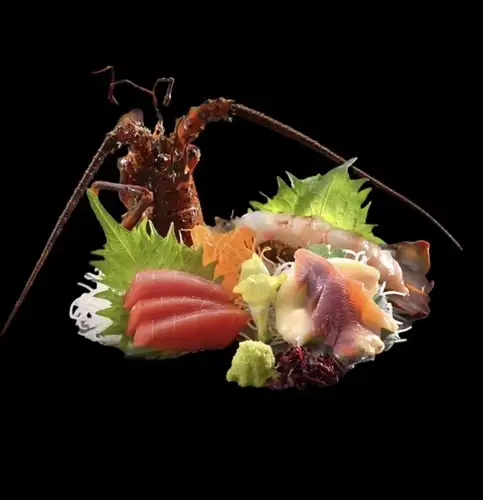
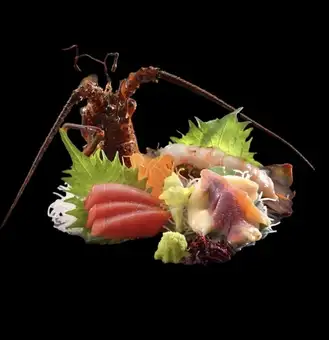
Assortment of three types of spiny lobster
1298 jpy(税込)
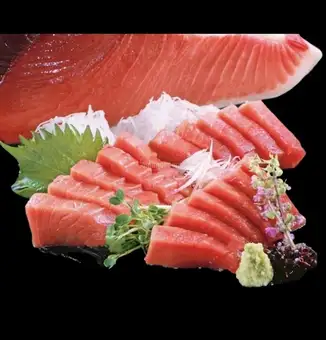
1/10
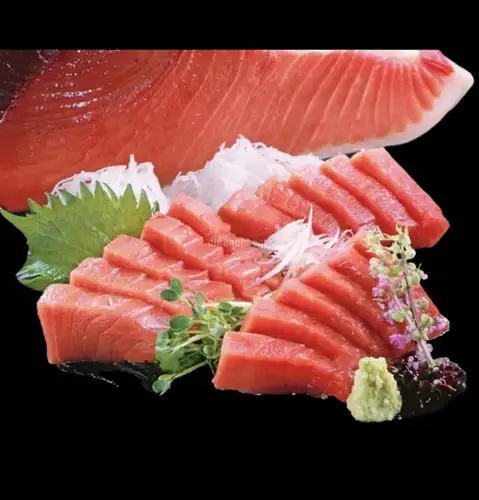
Sashimi (from 748 yen including tax)
*Prices include tax.
Salmon 748 yen / Octopus 748 yen / Tuna 858 yen / Scallop 858 yen / Surf clam 858 yen / Shrimp 968 yen / Salmon roe 968 yen / Caviar 968 yen / Half snow crab (one shoulder) 1188 yen / Abalone (two pieces) 1408 yen
◆ Snacks ◆
1/10
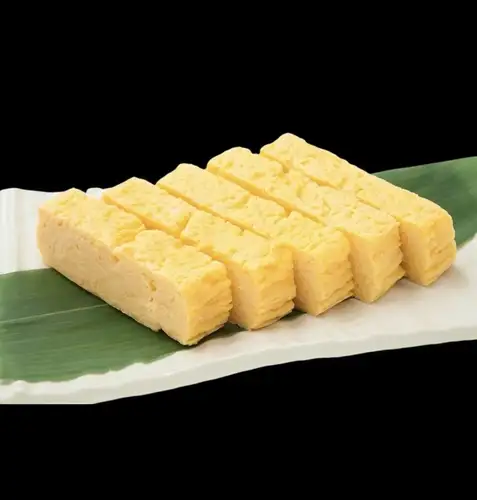
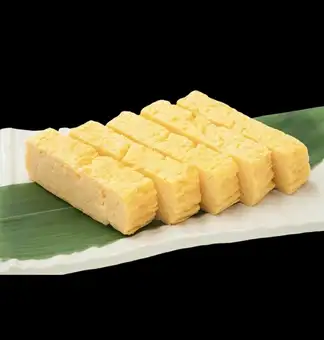
Thick grilled egg
638 yen(税込)
Chilled tomatoes 418 yen (tax included) / Pickled plums and cucumbers 418 yen (tax included) / Pickled cucumbers 418 yen (tax included) / Pickled vegetables 638 yen (tax included)
1/10
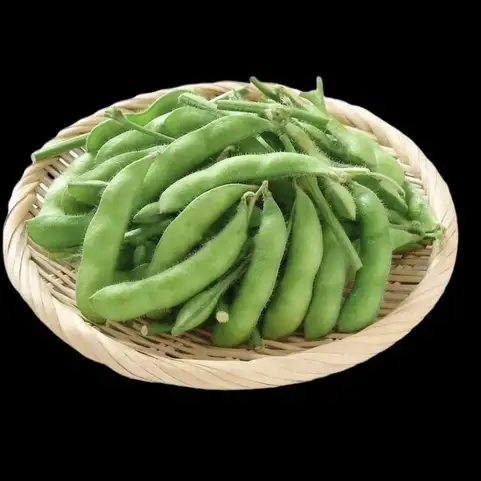
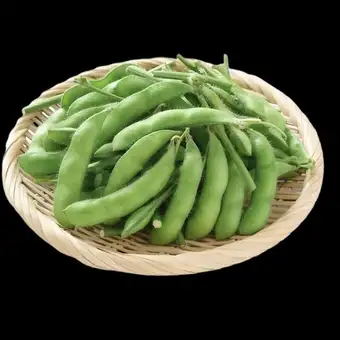
Edamame
528 yen(税込)
Edamame grilled with butter and soy sauce: 638 yen (tax included) / Potato with butter: 748 yen (tax included) / Oysters with ponzu sauce: 968 yen (tax included) / Salted boiled peanuts: 638 yen (tax included) / Salted mentaiko (spicy cod roe): 968 yen (tax included)
◆ Hotpot ◆
1/10
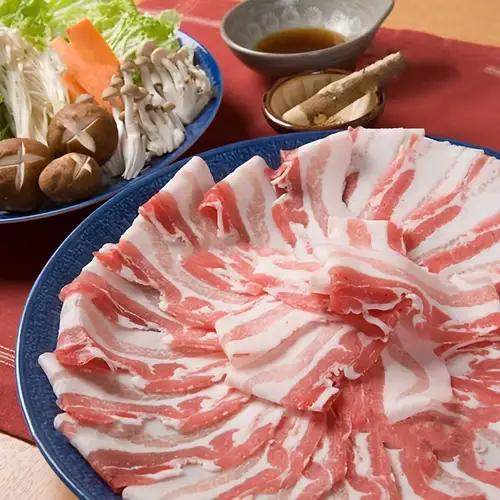
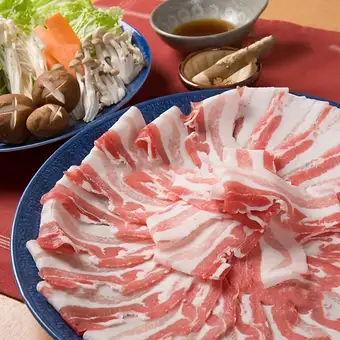
Pork shabu-shabu
1188 yen(税込)
[Serves 1] Our spring water pork is raised with care, using fresh air, clean water, and feed from Hokkaido, and is safe and secure as it is not treated with hormones or antibiotics.This pork is high in protein and healthy, yet packed with flavor, featuring sweet lean meat with just the right amount of fat.The loin cut of meat has just the right amount of fat, making it tender and delicious.*You can upgrade to an all-you-can-eat option for an additional 1000 yen per person.
![[Limited Time Offer♪] A treasure box of seasonal seafood: Monkfish liver, cod roe, salmon roe, salmon, and oysters in a 'gout-inducing hot pot'](https://cdn.r-corona.jp/prd.rb.r-corona.jp/assets/site_files/8orpxvug/53656074/6thy_w340h340.jpg)
1/10
![[Limited Time Offer♪] A treasure box of seasonal seafood: Monkfish liver, cod roe, salmon roe, salmon, and oysters in a 'gout-inducing hot pot'](https://cdn.r-corona.jp/prd.rb.r-corona.jp/assets/site_files/8orpxvug/53656074/6thy_w500h500.jpg)
[Limited Time Offer♪] A treasure box of seasonal seafood: Monkfish liver, cod roe, salmon roe, salmon, and oysters in a 'gout-inducing hot pot'
1848 jpy(税込)
[Serves 1] The currently trending gout-inducing hot pot is now available in Tamachi! This special dish, available only for a limited time, uses plenty of seafood directly from Hokkaido! This exquisite dish, which luxuriously uses seafood such as monkfish liver, cod roe, salmon roe, salmon, and oysters, is selling out every day! Please make your reservation early!
1/10
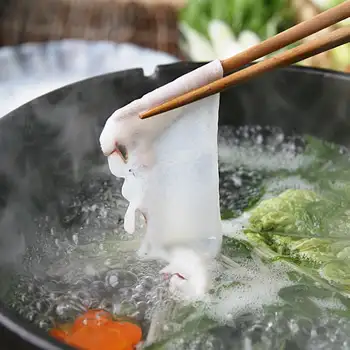
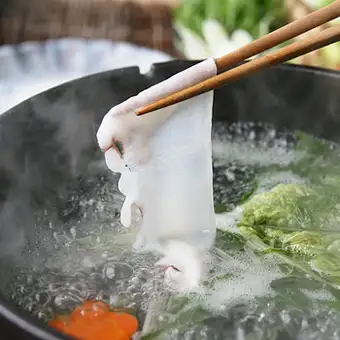
Octopus shabu-shabu
1738 jpy(税込)
[Serves 1] Wakkanai's octopus shabu-shabu is made from the thick legs of extra-large octopuses weighing 10-15 kg.By slicing the octopus so thinly that it's almost transparent, following the fibers of the octopus, we've created a wonderfully tender yet firm texture.*You can upgrade to an all-you-can-eat option for an additional 1000 yen per person.
1/10
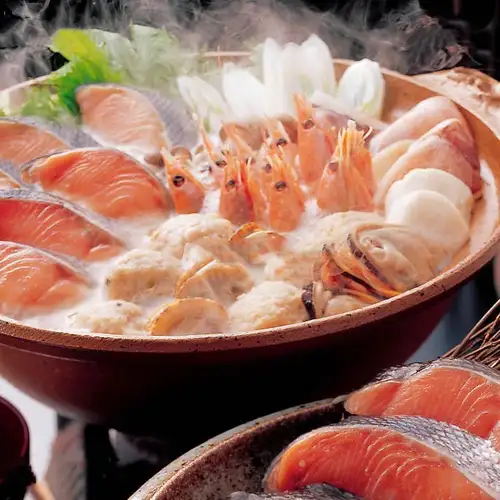
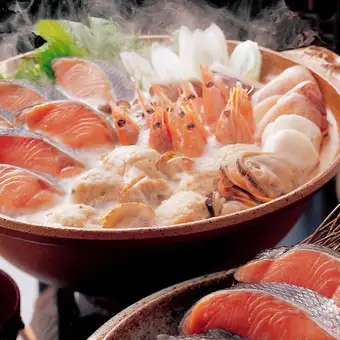
Ishikari Nabe
1738 jpy(税込)
[1 serving] Ishikari Nabe is a Japanese hot pot dish made primarily with salmon and cooked with miso, and is a regional dish of Hokkaido.
1/10
Beef shabu-shabu
1848 jpy(税込)
[1 serving]
◆ Delicacies ◆
1/10
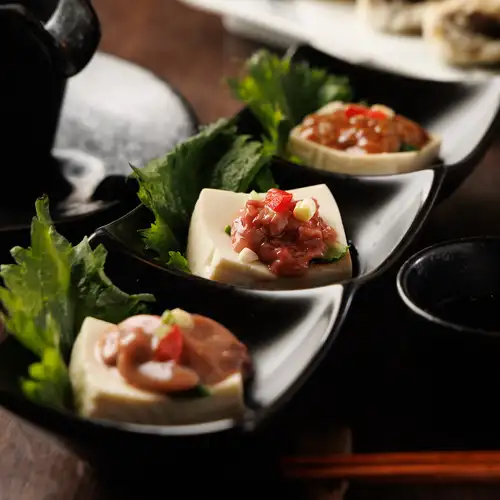
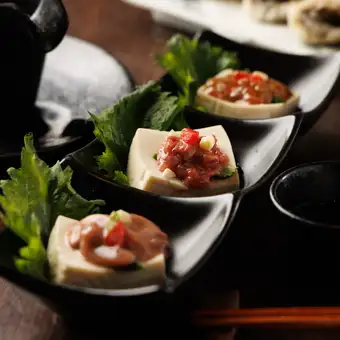
Assortment of 3 Hokkaido delicacies
1188 yen(税込)
If you're going to drink sake, start with this!!
1/10
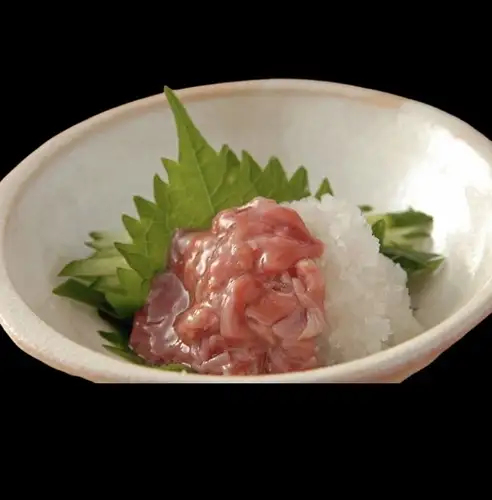
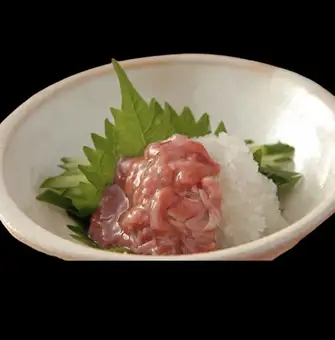
Tuna fermented in sake / Shrimp fermented in sake / Bonito fermented in sake
528 yen(税込)
Our unique fermented tuna guts are made from tuna stomachs that have been fermented through long-term aging.We've made it easy to eat by using a light salt seasoning and adding a Japanese-style broth."Shuto" refers to salted fish innards.I mixed it with sweet shrimp to make it taste like salted squid.
1/10
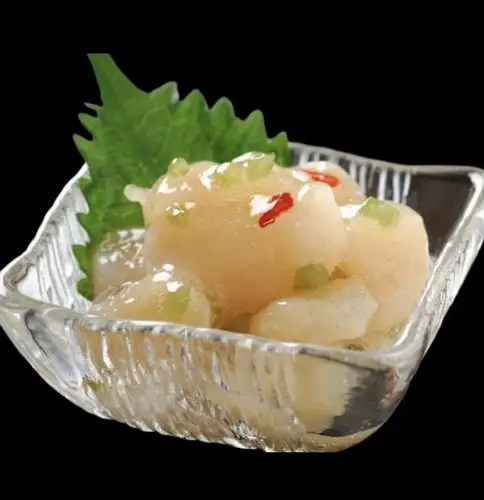
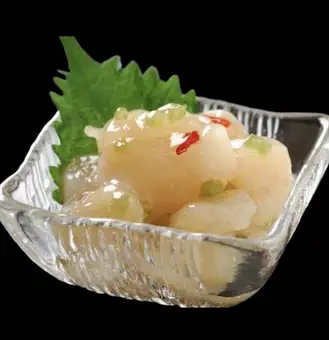
Salted squid / Salted scallops / Changja
528 yen(税込)
Ika no shiokara is a fermented food made by salting the flesh and internal organs of squid without heating them, allowing them to ferment using enzymes and microorganisms naturally present in the ingredients, and enhancing their shelf life with a high concentration of salt.We cut Hokkaido-sourced scallop adductor muscles into bite-sized pieces, added chopped chili peppers, and finished it off with a spicy kick.You can enjoy the chewy texture and delicious flavor of the scallop adductor muscle.
◆ Vegetables ◆
1/10
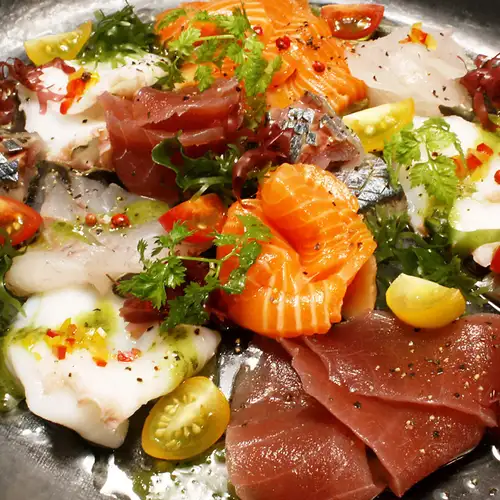
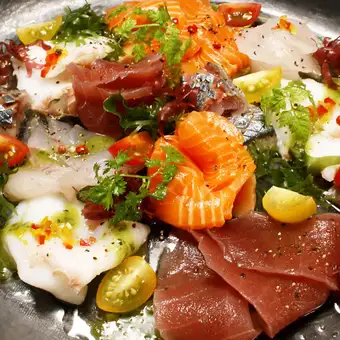
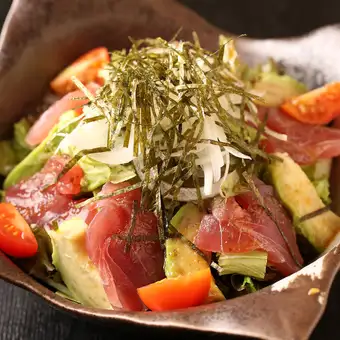
Seafood Carpaccio
1188 yen(税込)
What surprises me lately is how many people think that "carpaccio," which is practically synonymous with Italian cuisine, is a fish dish.Yes, it definitely exists.Thinly sliced fish is arranged on a plate, seasoned with olive oil and salt, and topped with vegetables, then served as an appetizer.
1/10
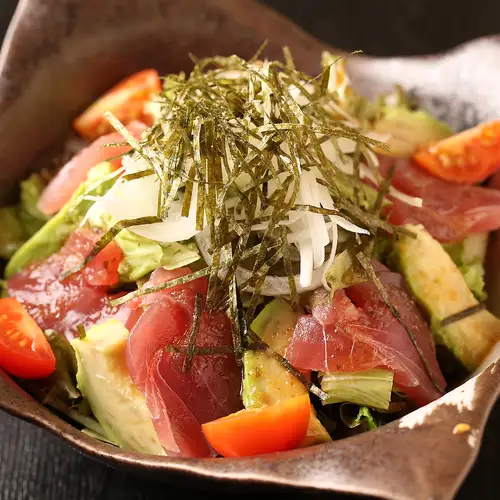
Avocado and Tuna Salad
968 yen(税込)
Avocado and tuna are a great match; the smooth texture of avocado enhances the lean tuna, making it taste like fatty tuna.
1/10
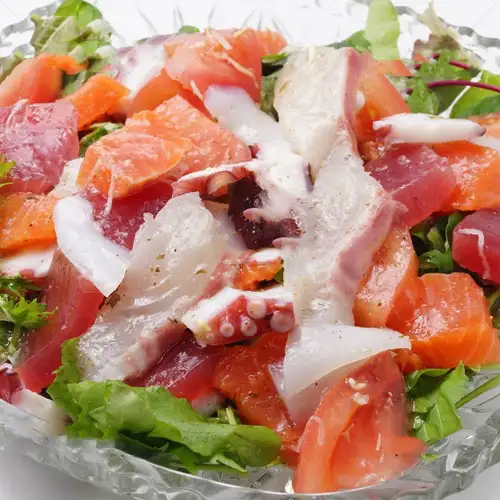
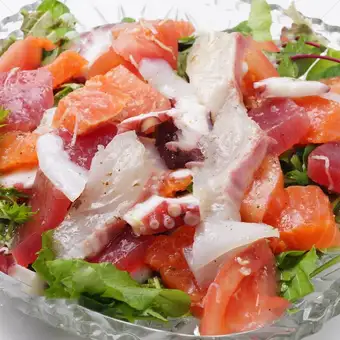
Seafood salad
858 yen(税込)
A salad made with several kinds of sashimi, served on top of vegetables and dressed with dressing.
1/10
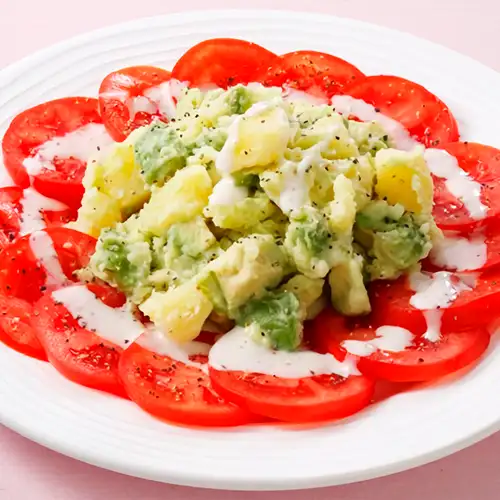
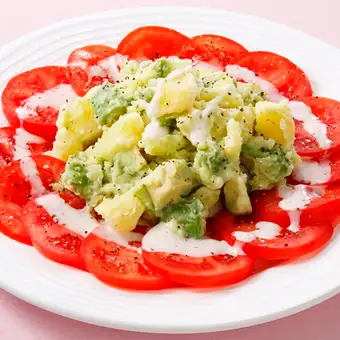
Avocado and Tomato Salad
968 yen(税込)
A simple dressing of magic salt and olive oil enhances the flavors of tomatoes and avocados in this festive Christmas-colored salad!
1/10
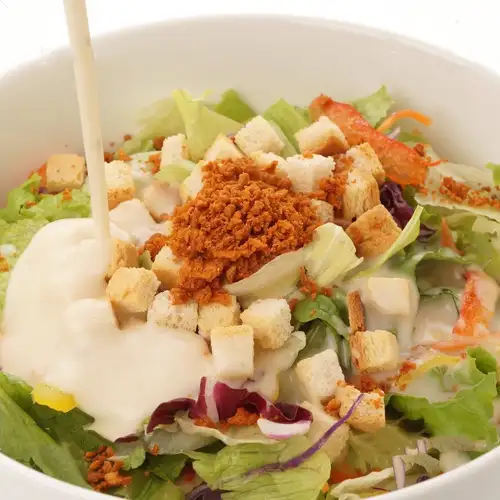
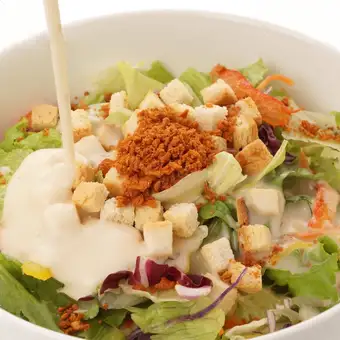
Caesar salad
968 yen(税込)
A mild flavor that you won't get tired of.The subtle cheese flavor brings out the natural beauty of the vegetables.
1/10
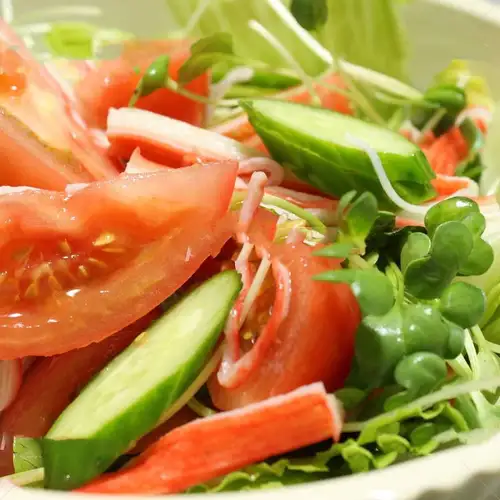
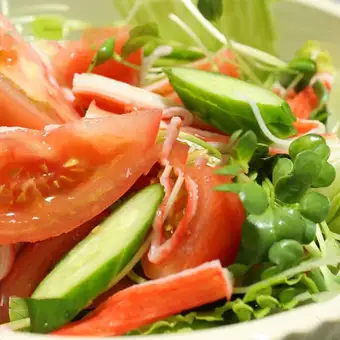
vegetable salad
748 yen(税込)
Fresh, domestically grown vegetables are highly recommended for health-conscious women!
◆ Meals ◆
1/10
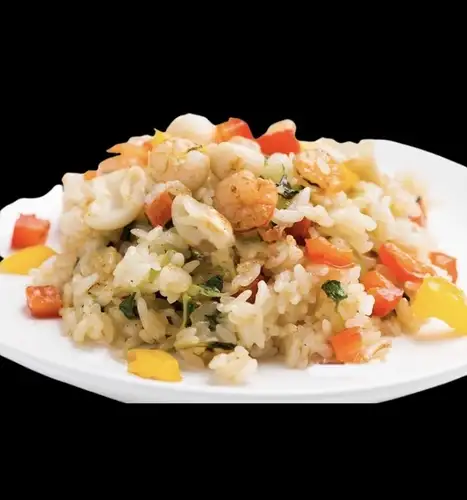
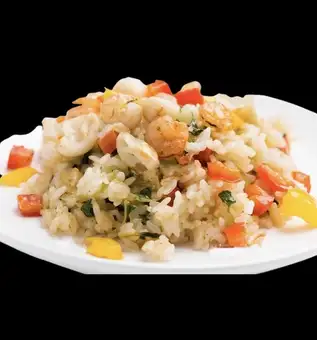
Various types of fried rice
748 yen(税込)
seafood fried rice
Kimchi fried rice
748 yen(税込)
1/10
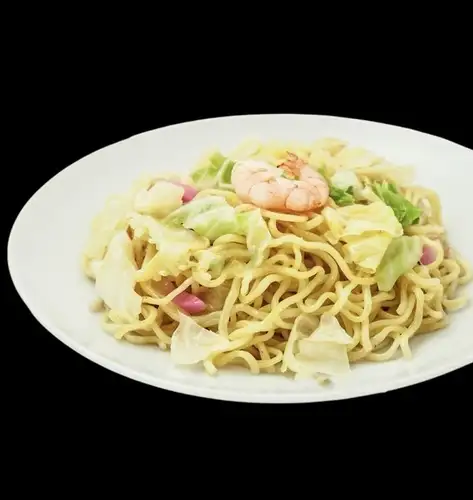
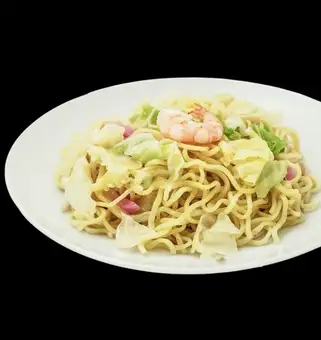
Seafood fried noodles
748 yen(税込)
Made with plenty of seafood!
1/10
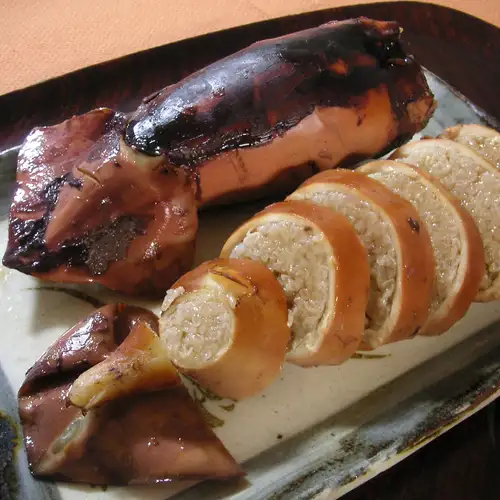
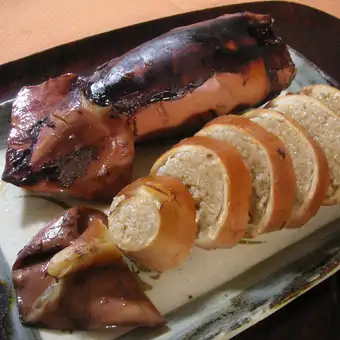
Squid rice
858 yen(税込)
Ika-meshi is a local dish from the Hakodate region that uses squid.The squid's body, with its tentacles and innards removed, is stuffed with washed rice. The rice is then secured with toothpicks or similar to prevent it from spilling out, and finally cooked in a soy sauce-based broth.Sometimes, finely chopped squid tentacles or mountain vegetables such as bamboo shoots are added as stuffing to the squid's body.
1/10
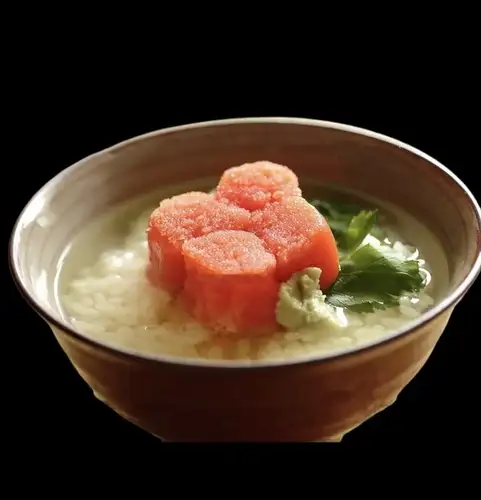
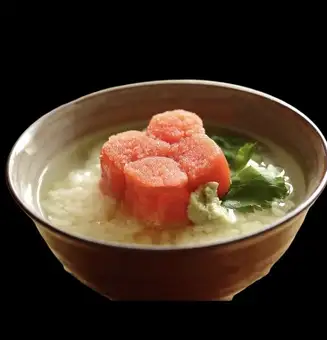
Mentaiko tea
748 yen(税込)
1/10
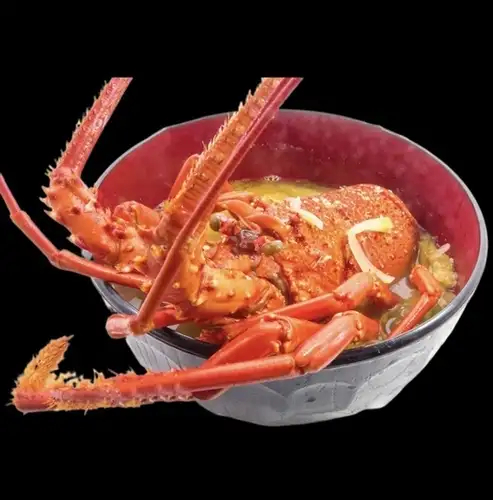
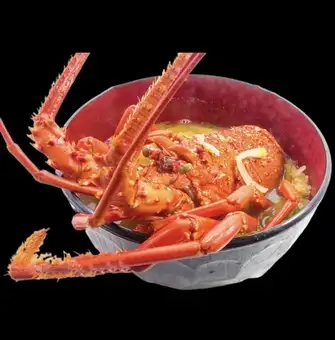
Lobster miso soup
748 yen(税込)